
 Book Hotel
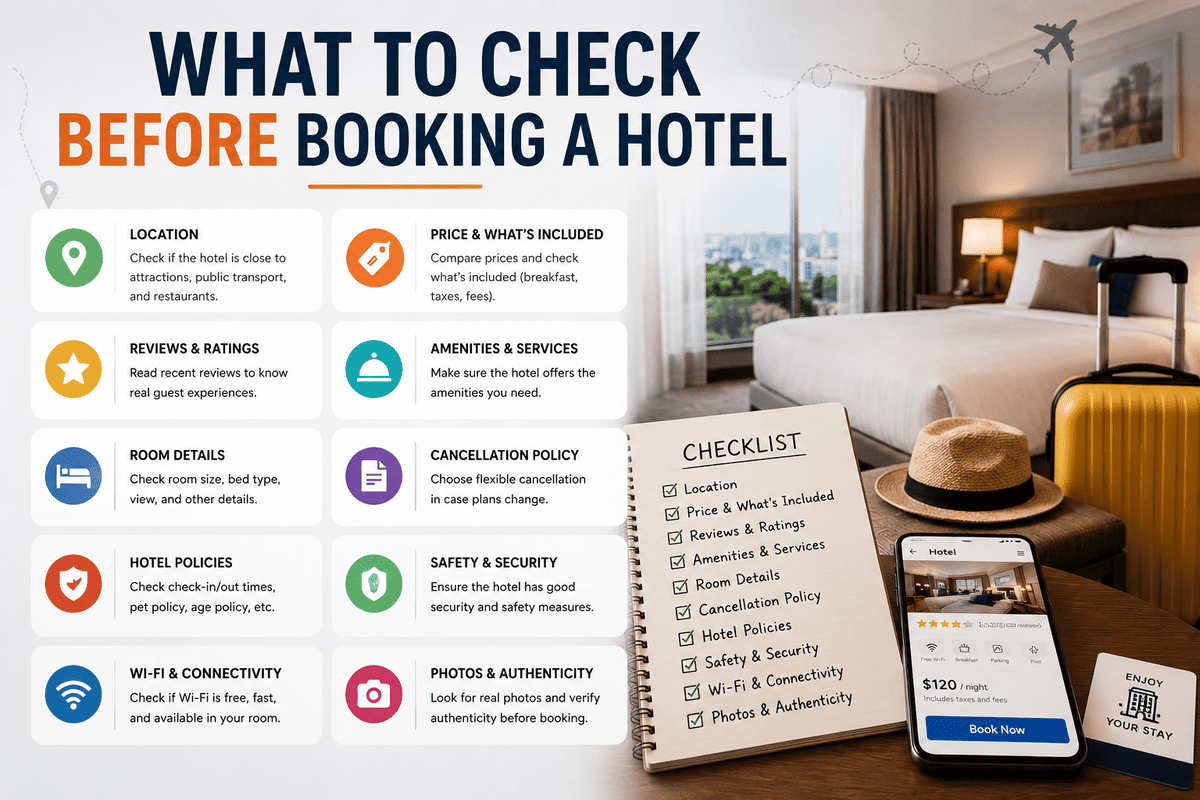
Knowing what to check before booking a hotel can help travelers avoid unexpected problems and enjoy a more comfortable stay. Many people focus only on price and photos, ignoring important details that affect their experience. Factors like hotel location, guest reviews, and cancellation policies play a major role in overall satisfaction. Taking a few minutes to research before booking can save money and reduce travel stress. By checking essential hotel details in advance, travelers can make smarter and more confident booking decisions.
Why Checking Details Before Booking a Hotel Matters?
Before booking a hotel, travelers should take a few important steps to avoid unexpected problems and ensure a comfortable stay. Paying attention to small details can save both money and stress during the trip.
- Check the hotel location carefully to avoid noisy areas or poor transportation access.
- Review guest ratings and real photos instead of relying only on promotional images.
- Confirm essential amenities like Wi-Fi, parking, breakfast, and security before booking.
- Read cancellation policies and hidden fee details to avoid unexpected costs.
- Compare hotel options through trusted platforms to ensure the best value and experience.
How to Avoid Common Mistakes?
Checking hotel reviews and booking policies before confirming a reservation can help travelers avoid common problems and unexpected expenses. A little research can make the entire stay more comfortable and budget-friendly.
- Read reviews on multiple platforms to identify issues like cleanliness, poor service, or misleading photos.
- Compare hotel prices across booking websites and direct hotel offers to find better deals.
- Check promotional offers carefully, as some benefits may include hidden conditions or restrictions.
- Review cancellation policies to avoid losing money if travel plans suddenly change.
- Watch for hidden charges such as resort fees, taxes, or service costs that increase the final bill.
What to Check Before Booking a Hotel?
Before finalizing your reservation, prioritize these seven factors to ensure a smooth and enjoyable stay.
Location and Proximity to Key Attractions or Transport
The hotel’s location is the foundation of your travel experience. A prime location can enhance your trip by saving time and money on transportation, while a poor one can turn your vacation into a logistical nightmare. Here’s what to evaluate:
- Distance to attractions: Is the hotel within walking distance of major landmarks, or will you need to rely on taxis/Ubers? For example, a hotel in the heart of Dubai’s Gold Souk offers unparalleled convenience for shoppers, whereas one on the outskirts might require a 30-minute drive.
- Access to public transport: Check the proximity to metro stations, bus stops, or airports. A hotel near a well-connected transit hub can make exploring the city effortless.
- Safety of the neighborhood: Research crime rates and local safety reports. Websites like Numbeo provide insights into safety levels in different areas.
- Noise levels: If you’re a light sleeper, avoid hotels near airports, construction sites, or busy streets. Reading reviews for mentions of noise can be telling.
For business travelers, proximity to conference centers or office districts is equally important. Use tools like Google Maps to measure walking times and estimate commutes. If you’re unsure, platforms like SkyDealFinder can help you filter hotels based on location preferences, ensuring you find the best match for your itinerary.
Reading Hotel Reviews and Guest Ratings
Hotel reviews are a goldmine of firsthand experiences. However, not all reviews are created equal. Here’s how to sift through them effectively:
- Look for patterns: Are multiple reviews mentioning the same issues, such as slow check-in or outdated rooms? Patterns indicate consistent problems.
- Check the source: Reviews on the hotel’s official website may be biased. Platforms like TripAdvisor, Booking.com, and Google Reviews offer more balanced perspectives.
- Focus on recent reviews: A hotel that received 5-star ratings five years ago might have declined in quality. Prioritize reviews from the past year.
- Pay attention to verified guests: Verified reviews are more reliable as they confirm the reviewer stayed at the hotel.
- Additionally, consider the type of traveler leaving reviews. A family-friendly hotel might receive glowing reviews from parents but poor ratings from solo travelers due to noise levels. Tailor your search to reviews from guests similar to you.
Comparing Prices Across Platforms and Direct Booking
Price transparency is a common pain point in hotel bookings. The same room can cost anywhere from 30% less to 50% more depending on where you book. Here’s how to secure the best deal:
- Third-party platforms: Websites like Expedia, Agoda, and Trivago often offer competitive rates, especially when bundled with flights or car rentals.
- Direct booking: Some hotels provide perks like free upgrades or late check-out when you book through their website. Always compare the total cost, including taxes and fees.
- Loyalty programs: If you’re a frequent traveler, check if the hotel offers discounts for members of programs like Marriott Bonvoy or Hilton Honors.
- Seasonal discounts: Off-peak seasons or weekdays can significantly reduce rates. Use tools like SkyDealFinder to track price fluctuations and book at the optimal time.
- Pro tip: Set up price alerts on platforms like Google Flights or Skyscanner to monitor changes and snag the best rate.
Checking Included Amenities (Wi-Fi, Breakfast, Parking, Gym)
Amenities can make or break your stay. Here’s what to verify before booking:
- Wi-Fi quality: Fast, reliable internet is a must for remote workers. Look for reviews mentioning connectivity issues.
- Breakfast inclusions: Some hotels advertise “free breakfast” but limit it to buffet items or specific hours. Confirm the type and timing.
- Parking availability: If you’re driving, check if the hotel offers valet, self-parking, or street parking. Fees can add up quickly.
- Gym and pool access: If you plan to work out or relax by the pool, ensure these facilities are included and well-maintained.
- Other perks: Some hotels offer airport shuttles, concierge services, or spa access. Prioritize these based on your needs.
- For example, a business traveler might prioritize a hotel with a quiet workspace and high-speed Wi-Fi, while a family might seek one with a kids’ club and spacious rooms.
Room Types, Size, and Bed Configurations
The room you book might not match the photos or your expectations. Here’s how to avoid mismatches:
- Room categories: Hotels often have multiple room types (e.g., Deluxe, Suite, Junior Suite). Ensure you’re booking the right category for your needs.
- Size and layout: Check the square footage and layout. Some rooms might have awkward furniture placement or limited closet space.
- Bed configurations: Confirm the type of beds (e.g., king, queen, twin) and their arrangement. Families or couples traveling with friends need to ensure the room accommodates everyone comfortably.
- View and floor: Higher floors may offer better views but could be farther from elevators. Request a room away from ice machines or noisy corridors if possible.
- Always ask for a room diagram or virtual tour if available. Platforms like SkyDealFinder often provide detailed room descriptions to help you visualize your space.
Cancellation and Refund Policies
- Flexibility is crucial, especially in unpredictable situations. Here’s what to look for:
- Free cancellation: Some hotels allow free cancellation up to 24 or 48 hours before check-in. This is ideal for last-minute changes.
- Partial refunds: If cancellation isn’t free, check if the hotel offers a partial refund or credit for future stays.
- Prepayment requirements: Non-refundable rates might offer discounts but lock you into the booking. Only choose these if you’re certain about your plans.
- Force majeure clauses: Some policies cover cancellations due to unforeseen events like natural disasters or illness. Review these carefully.
For example, if you’re booking a hotel for a conference, check if the policy allows cancellations if the event is postponed. Always save a copy of the policy for your records.
Hidden Fees (Resort Fees, Taxes, Service Charges)
Hidden fees can significantly increase your total cost, often catching travelers off guard at checkout. Here’s how to identify and avoid them before booking:
- Resort fees: These are common in all-inclusive or upscale hotels and can add $30–$100 per night. They may include amenities like pool access, Wi-Fi, or fitness centers. Always check if the fee is waived for certain booking methods (e.g., direct hotel bookings or loyalty members).
- City or destination taxes: Some cities impose additional taxes (e.g., 10–15%) on top of the room rate. These are usually non-negotiable but should be clearly listed in the booking summary. Use SkyDealFinder to filter hotels that disclose all taxes upfront.
- Service charges: Certain hotels or regions (e.g., Middle East, Southeast Asia) add a service charge of 10–20% to the bill. This may or may not be included in the advertised price, so verify the fine print.
- Parking and transportation fees: Valet parking, airport shuttles, or even elevator use in some luxury hotels can incur extra charges. Confirm whether these are included or if they’ll be billed separately.
- Pro tip: Always review the “Total Price” section in the booking summary, not just the nightly rate. Some platforms bury fees in the checkout process, so ask for a detailed breakdown before confirming.
How do I know if a hotel location is good?
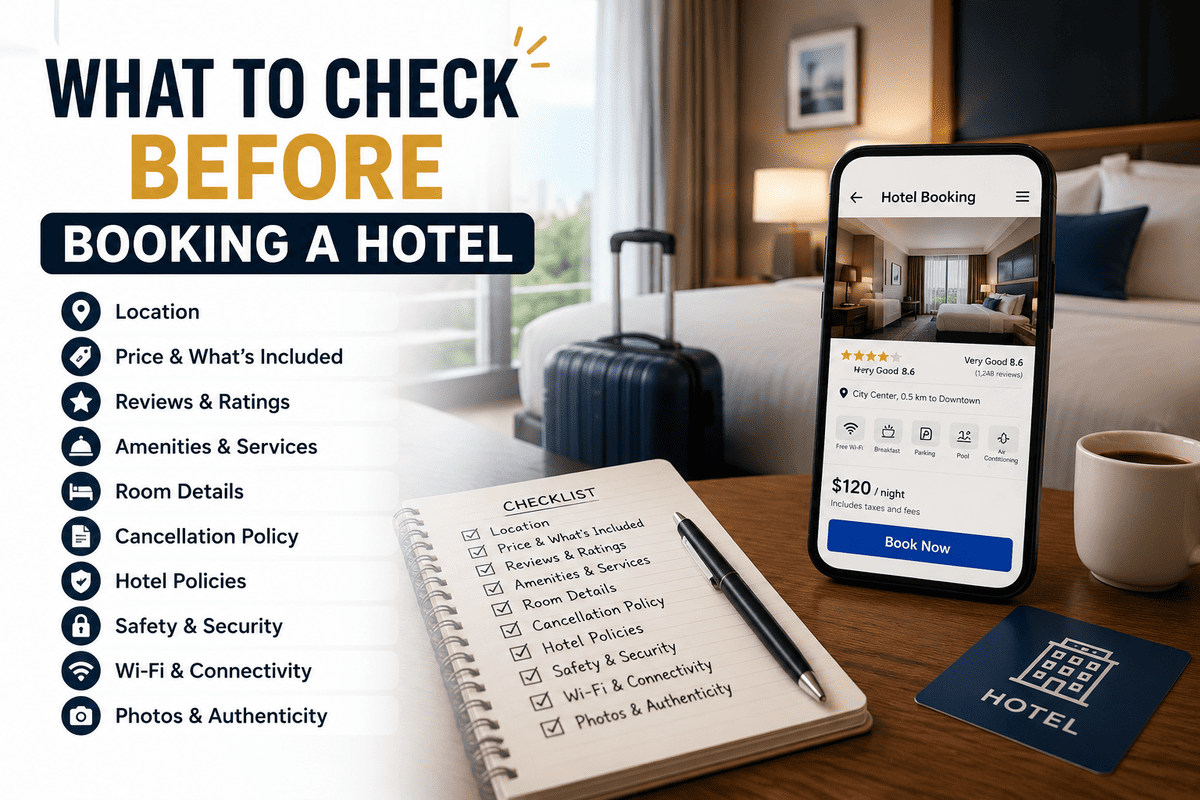
A hotel’s location can make or break your trip, so evaluate these factors to ensure it meets your needs:
- Proximity to your itinerary: If you’re visiting the Louvre in Paris, staying within a 15-minute walk saves time and energy. Use Google Maps to plot your daily activities and measure distances.
- Safety and cleanliness: Research local crime rates and read recent reviews for mentions of cleanliness or safety concerns. Platforms like SkyDealFinder often highlight hotels in well-reviewed neighborhoods.
- Accessibility: Is the hotel wheelchair-friendly? Are there elevators, ramps, or nearby public transport for guests with mobility needs? Check the hotel’s accessibility policies or contact them directly.
- Local amenities: A good location should offer nearby restaurants, pharmacies, or ATMs. Avoid hotels in remote areas unless you’re seeking seclusion (e.g., a mountain retreat).
- Future development plans: Some areas may be under construction, leading to noise or road closures. Check local news or city planning websites for updates.
- For example, staying near Times Square in New York offers convenience but can be noisy, while a hotel in Midtown might be quieter but require a subway ride to attractions.
How important are cancellation policies when booking a hotel?
- Cancellation policies are one of the most overlooked but critical aspects of hotel bookings. Here’s why they matter and how to assess them:
- Flexibility for unexpected changes: Life happens—flights get canceled, health issues arise, or plans shift. A hotel with a free cancellation policy (up to 24–48 hours before check-in) provides peace of mind.
- Refundability vs. non-refundable rates: Non-refundable bookings often come with discounts but lock you into the reservation. Only choose these if you’re 100% certain about your dates.
- Partial refunds or credits: Some hotels offer partial refunds or future stay credits if you cancel within a certain window. This is a better option than no refund at all.
- Force majeure clauses: These policies cover cancellations due to unforeseen events like natural disasters, illness, or airline strikes. Always review these terms, especially for high-stakes trips.
When to Prioritize Flexible Policies?
- Business trips with uncertain schedules
- Family vacations where kids might get sick
- Last-minute bookings or spontaneous travel
- When Rigid Policies Might Be Acceptable
- All-inclusive resorts where cancellations are rare
- Peak seasons (e.g., holidays) when demand is high and rates are fixed
- Use SkyDealFinder to compare cancellation terms across hotels before booking.
What safety factors should I check before booking a hotel?
Safety should never be an afterthought. Here’s what to verify to ensure your stay is secure:
- Crime rates in the area: Use platforms like Numbeo or local government crime reports to assess safety. Avoid neighborhoods with high petty theft or violent crime.
- Hotel security measures: Look for hotels with 24/7 front desk staff, secure keycard entry, and surveillance cameras. Luxury hotels often have concierge services that can assist with emergencies.
- Emergency exits and fire safety: Check if the hotel complies with local fire safety regulations. Reviews often mention whether fire alarms or sprinklers are functional.
- Natural disaster risks: If booking in a flood-prone, earthquake-prone, or hurricane-prone area, confirm the hotel’s emergency preparedness (e.g., generators, evacuation plans).
- Health and hygiene standards: During or after a pandemic, verify if the hotel enforces sanitization protocols, provides hand sanitizer, or has air purifiers in rooms.
- Red Flags in Reviews
- Frequent mentions of break-ins or lost valuables
- Complaints about poor lighting in hallways or parking lots
- Reports of pests (e.g., bed bugs, rodents) despite pest control claims
- For added security, choose hotels with reputable chains or those recommended by trusted travel communities.
How can I tell if hotel photos are accurate?
Hotel photos can be heavily edited or staged, leading to major disappointments. Here’s how to spot inaccuracies and verify what you’re actually getting:
- Compare photos to reviews: If multiple reviews mention outdated furniture, poor lighting, or mismatched decor, the photos may be misleading. Look for before-and-after comparisons in reviews.
- Check for photo dates: Some hotels use old photos that no longer reflect the current room. Ask the hotel for recent images or check social media pages for unedited guest photos.
- Look for inconsistencies: Pay attention to details like bed sizes, window views, or bathroom layouts. A “sea-view room” in photos might actually overlook a parking lot.
- Use virtual tours or 360-degree views: Many hotels now offer interactive virtual tours. These provide a more accurate representation than static images.
- Ask for a room upgrade or alternative: If the photos raise concerns, contact the hotel to request a room with better views or amenities. Some hotels accommodate requests for verified photos.
- Tools to Help
- Google Street View: Compare the hotel’s exterior to its surroundings.
- TripAdvisor’s “Photo Verification”: Some user-submitted photos are verified by TripAdvisor’s team.
- SkyDealFinder: Filters hotels with up-to-date photos and guest-verified descriptions.
- If in doubt, book a hotel with a money-back guarantee or flexible cancellation policy to minimize risk.
Start your journey today and discover unbeatable flight deals  Book your ticket from here.
FAQs
How do I know if a hotel location is good?
A good hotel location depends on your travel needs and nearby attractions. Travelers should check the distance to airports, public transportation, restaurants, and popular destinations before booking. Reading guest reviews can also help identify whether the area is safe, quiet, and convenient for visitors.
How important are cancellation policies when booking a hotel?
Cancellation policies are extremely important because travel plans can change unexpectedly. Flexible cancellation options allow guests to modify or cancel reservations without losing money. Before booking, travelers should always review the refund terms, deadlines, and possible cancellation fees carefully.
What safety factors should I check before booking a hotel?
Travelers should look for hotels with strong security measures such as surveillance cameras, secure entrances, and 24-hour front desk service. It is also important to check reviews related to neighborhood safety and guest experiences. Choosing a hotel in a safe area can make the stay more comfortable and stress-free.
How can I tell if hotel photos are accurate?
To verify hotel photos, travelers should compare the official images with guest-uploaded photos from review websites. Real customer pictures often reveal the actual room condition, cleanliness, and hotel facilities. Reading recent reviews alongside the photos can also help determine whether the hotel matches its online presentation.


How To Book Hotel And Pay Later?
June 14, 2026 - 4:32 pm[…] how to book a hotel and pay later can save you money, but fees and interest can accumulate if you’re not cautious. […]