
 Book Tour
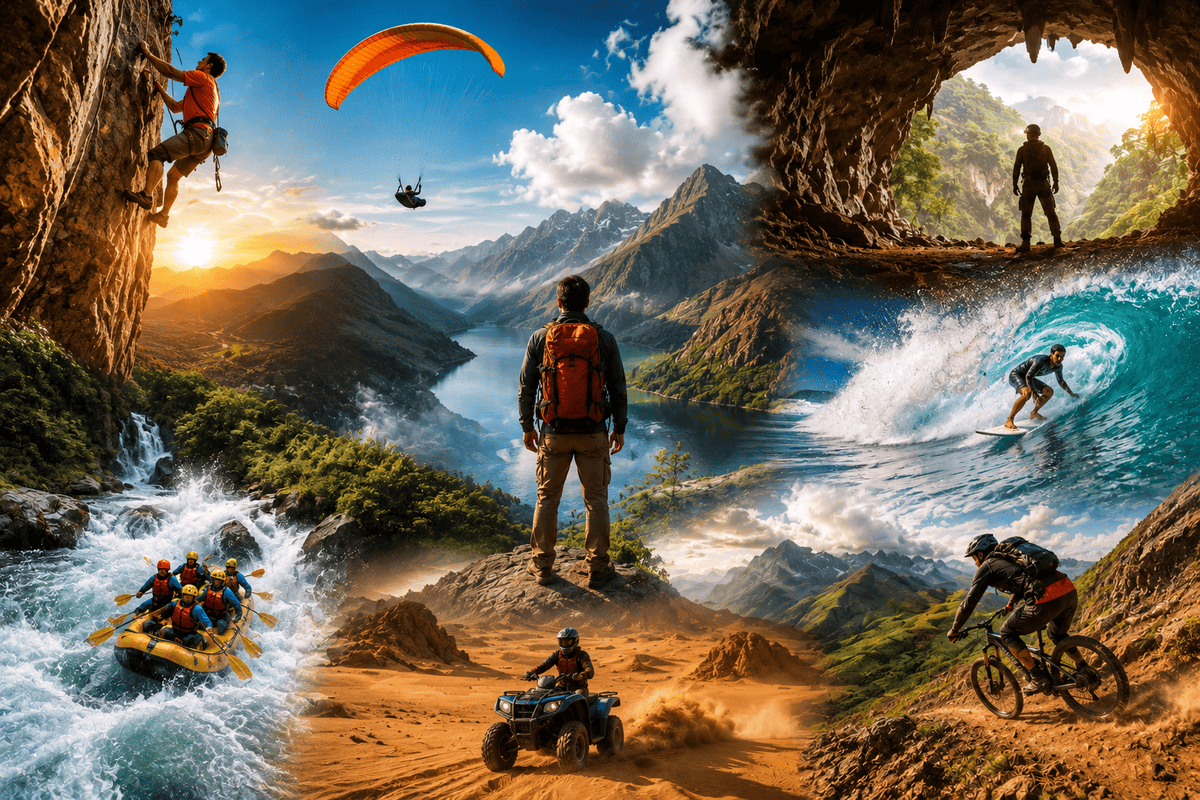
Understanding what is adventure tourism helps travelers discover a unique style of travel focused on excitement, exploration, and unforgettable experiences. Unlike traditional vacations, adventure tourism combines physical activities with cultural and natural discovery. Many travelers choose this type of tourism to challenge themselves and escape routine lifestyles. Activities such as hiking, rafting, climbing, and camping are common examples of adventure travel. As experiential travel becomes more popular, adventure tourism continues to attract people seeking both thrill and personal growth.
what is adventure tourism?
Adventure tourism offers travelers exciting experiences that combine exploration, challenges, and a deeper connection with nature. Unlike traditional vacations, it focuses on adventure, personal growth, and unforgettable activities.
- Adventure tourism involves thrilling activities like hiking, rafting, mountain climbing, and camping.
- It focuses on excitement, exploration, and stepping outside comfort zones.
- Travelers experience both physical challenges and cultural or natural immersion.
- This type of tourism encourages personal growth, skill development, and memorable experiences.
- Adventure tourism has become popular because many travelers now prefer meaningful and experiential travel over traditional sightseeing.
Why Adventure Tourism Stands Out?
Adventure tourism is often categorized by its intensity and the level of physical or mental challenge it presents. Unlike conventional travel, where the focus is on comfort and convenience, adventure tourism prioritizes engagement with the environment and personal growth. Here’s what sets it apart:
- Active Participation: Travelers aren’t just observers; they’re participants. Whether it’s rafting through turbulent waters or summiting a peak, every moment is hands-on.
- Connection with Nature: Many adventure tourism activities take place in untouched or minimally developed areas, offering a deeper connection to the natural world.
- Cultural Immersion: Beyond physical challenges, adventure tourism often involves interacting with local communities, learning traditional skills, or participating in cultural rituals.
- Personal Growth: The challenges inherent in adventure tourism push individuals to test their limits, build resilience, and gain confidence.
- For those considering diving into this world, understanding what is adventure tourism is the first step. It’s not just about seeking thrills; it’s about embracing a mindset of curiosity, adaptability, and a willingness to explore both the external and internal landscapes.
Types of Adventure Tourism (Soft vs. Hard Adventure)
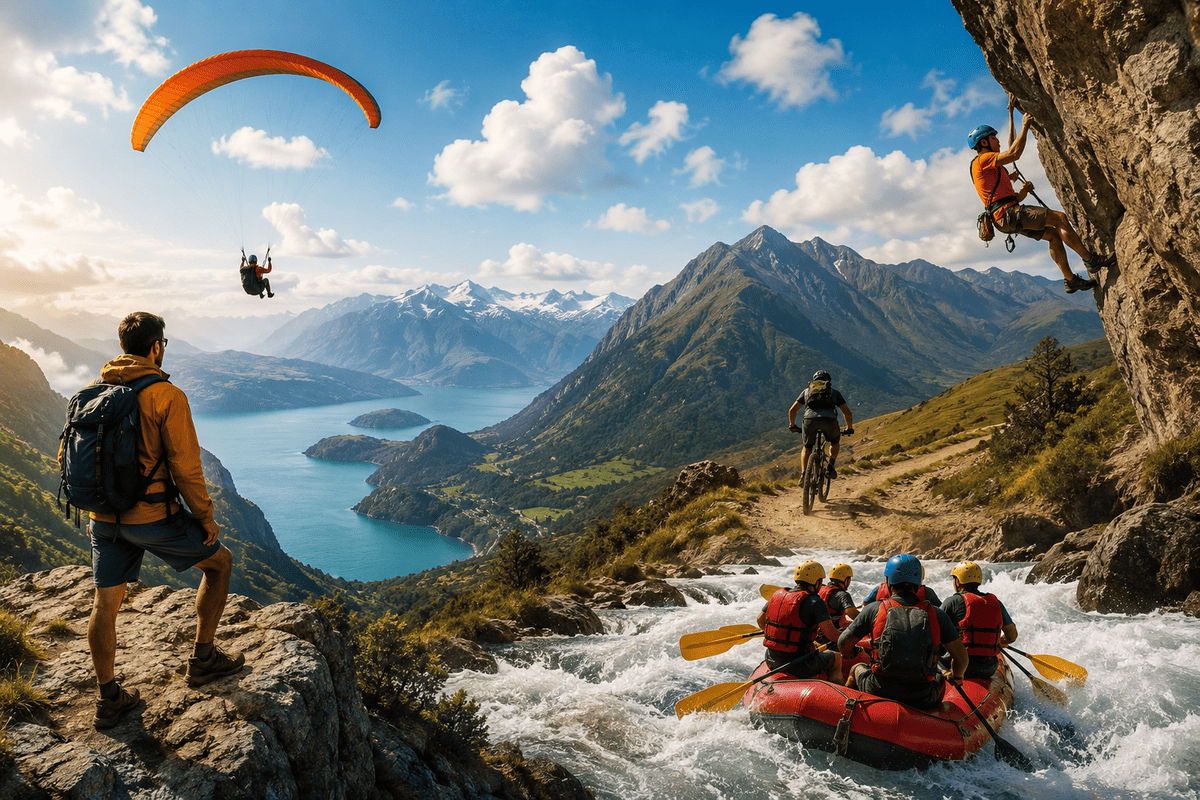
Adventure tourism isn’t a one-size-fits-all experience. It spans a spectrum of activities, each catering to different levels of risk tolerance, physical fitness, and personal goals. Broadly, adventure tourism can be divided into two main categories: soft adventure and hard adventure. Understanding these distinctions helps travelers choose experiences that align with their comfort levels and aspirations.
Soft Adventure: Thrills with Lower Risk
Soft adventure tourism is ideal for those who crave excitement without the extreme risks associated with harder activities. These experiences still push travelers out of their comfort zones but are generally safer and more accessible. Soft adventure activities often require minimal prior experience and are perfect for beginners or families looking to introduce adventure into their travel plans.
Hiking and Trekking
Exploring scenic trails, whether in national parks or mountainous regions, offers a mix of physical activity and breathtaking views. Popular destinations include the Appalachian Trail in the U.S. or the Inca Trail to Machu Picchu in Peru.
Cultural Immersion Tours
Engaging with local communities, participating in traditional crafts, or joining guided tours in historic sites falls under soft adventure. These experiences are enriching and often sustainable.
Wildlife Safaris
Observing animals in their natural habitats, such as lion safaris in Africa or whale watching in Alaska, combines adventure with conservation.
Kayaking and Paddleboarding: Calmer water activities like kayaking on lakes or paddleboarding in coastal areas provide a gentle introduction to adventure tourism.
For those new to adventure tourism, soft activities are an excellent starting point. They allow travelers to build confidence and familiarity with the outdoors without the intensity of harder adventures. Many of these experiences can also be enjoyed as part of eco adventure tourism, where sustainability and environmental conservation are prioritized.
Hard Adventure
High-Stakes, High-Reward Experiences
Hard adventure tourism is for the bold—the thrill-seekers who are physically fit, well-prepared, and eager to tackle challenges that test their limits. These activities often require specialized training, equipment, and sometimes even professional guidance. While the risks are higher, so are the rewards: adrenaline-fueled memories, personal achievements, and a deep sense of accomplishment.
Mountaineering and Climbing
Scaling peaks like Mount Everest or the Matterhorn demands technical skills, endurance, and mental fortitude. Even less extreme climbs, such as rock climbing in Yosemite or ice climbing in Alaska, fall into this category.
Whitewater Rafting
Navigating rapid rivers, such as the Colorado River’s Grand Canyon stretch or the Zambezi in Africa, requires teamwork, quick reflexes, and a strong grasp of water safety.
Skydiving and Paragliding: Defying gravity by jumping from planes or gliding over landscapes offers an unparalleled rush. Popular spots include the Interlaken region in Switzerland or the deserts of Dubai.
Deep-Sea Diving and Cave Exploration
Exploring underwater caves in Mexico’s cenotes or diving with great white sharks in South Africa is reserved for experienced divers who are comfortable with high-risk environments.
Hard adventure tourism often appeals to those who view travel as an opportunity for self-discovery and pushing personal boundaries. However, it’s crucial to approach these activities with thorough preparation, respect for the environment, and an understanding of the potential risks. For many, the allure lies in the combination of physical challenge and the sheer beauty of the landscapes they traverse.
Choosing Your Path
Deciding between soft and hard adventure tourism depends on individual preferences, fitness levels, and travel goals. Some travelers start with soft adventures to build experience before progressing to harder challenges, while others dive straight into high-intensity activities. The key is to align your choices with your comfort level and ensure you’re well-prepared for the physical and mental demands of each activity.
For those unsure where to begin, exploring the types of adventure tourism can help narrow down options. Whether you’re drawn to the tranquility of a guided hike or the heart-pounding excitement of whitewater rafting, adventure tourism offers something for every type of explorer.
Popular Adventure Tourism Activities (Hiking, Rafting, Diving, Trekking)
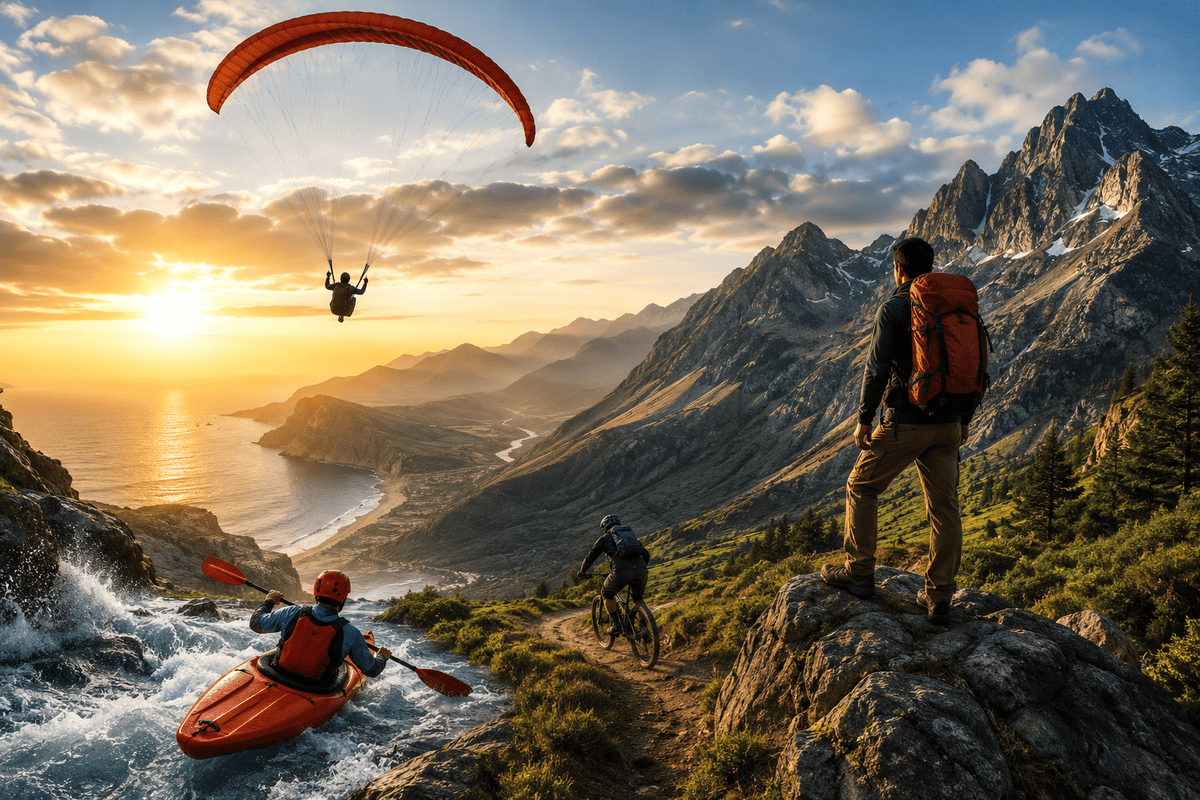
Adventure tourism is a vast world, and the activities it encompasses are as diverse as the landscapes they take place in. From the serene beauty of a sunrise hike to the heart-pounding rush of whitewater rafting, each activity offers a unique blend of challenge, beauty, and personal growth. Below are some of the most popular adventure tourism activities that attract thrill-seekers from around the globe.
Hiking and Trekking: Stepping Into the Wild
Hiking and trekking are the gateway activities for many adventure enthusiasts. They require minimal equipment, offer incredible views, and can be tailored to various fitness levels. Whether you’re a beginner exploring local trails or an experienced trekker tackling multi-day expeditions, hiking provides a profound connection to nature.
- Day Hikes: Perfect for beginners, day hikes offer a taste of adventure without the commitment of overnight trips. Trails like Angel’s Landing in Zion National Park or Half Dome in Yosemite are iconic for their stunning vistas and manageable difficulty.
- Multi-Day Treks: For those seeking a deeper immersion, multi-day treks such as the Tour du Mont Blanc in the Alps or the Annapurna Circuit in Nepal offer unparalleled experiences. These journeys often involve camping under the stars and crossing diverse terrains.
- Themed Hikes: Some hikes focus on specific interests, such as wildflower hikes in spring or stargazing treks in remote areas. These add an extra layer of enjoyment for those who love combining adventure with specialized experiences.
- High-Altitude Trekking: For the more experienced, high-altitude treks like the Inca Trail or the Everest Base Camp trek challenge both body and mind with thin air and rugged landscapes.
Hiking is one of the most accessible forms of adventure tourism, making it a popular choice for families, solo travelers, and groups. It’s also a fantastic way to explore eco adventure tourism, as many trails are located in protected natural areas where conservation is a priority.
Rafting: Conquering the Rapids
Rafting is one of the most exhilarating adventure tourism activities, combining teamwork, strategy, and a healthy dose of adrenaline. Whether you’re navigating gentle rivers or tackling Class V rapids, whitewater rafting offers an unforgettable experience that tests both physical and mental resilience. Here’s what makes rafting a standout adventure:
- Whitewater Rafting: The most popular form, this activity involves descending rivers with rapid currents, requiring quick reflexes and strong communication among team members. Destinations like the Colorado River in the U.S., the Zambezi in Africa, and the Futaleufú in Chile are legendary for their thrilling rapids.
- Wildwater Rafting: Less predictable than whitewater rafting, wildwater rafting takes place in untamed rivers where conditions can change rapidly. This form demands adaptability and experience, often appealing to seasoned rafters.
- Family-Friendly Rafting: For those new to the sport, calmer rivers like the Green River in Utah or the Gauley River in West Virginia offer a gentler introduction with manageable rapids and stunning scenery.
- Multi-Day Rafting Expeditions: These journeys combine rafting with camping, allowing travelers to explore remote wilderness areas over several days. The Grand Canyon rafting trip, for example, offers a unique perspective of one of the world’s natural wonders.
Rafting isn’t just about the thrill; it’s also about the camaraderie and teamwork required to navigate the river safely. Many rafting trips include guided tours that provide safety briefings, equipment, and insights into the local ecology. For those interested in eco adventure tourism, rafting can be a sustainable way to explore rivers while minimizing environmental impact through responsible operators.
Scuba Diving and Snorkeling: Exploring the Underwater World
The underwater world is a frontier for adventure tourism, offering a surreal and breathtaking escape from the surface. Scuba diving and snorkeling allow travelers to explore vibrant coral reefs, shipwrecks, and marine life in ways that are both awe-inspiring and educational. Here’s why these activities are so popular:
- Reef Diving: Diving in tropical locations like the Great Barrier Reef in Australia, the Maldives, or the Red Sea in Egypt reveals a kaleidoscope of marine life, including colorful fish, coral formations, and sometimes even sea turtles or reef sharks.
- Wreck Diving: For history buffs and thrill-seekers, exploring shipwrecks like the USS Oriskany in Florida or the SS Yongala off Australia’s coast offers a mix of adventure and discovery. These sites often become artificial reefs, teeming with marine life.
- Cave Diving: A more advanced form of diving, cave exploration requires specialized training and equipment. Popular sites include the cenotes of Mexico’s Yucatán Peninsula, where divers navigate underwater caves filled with stalactites and stalagmites.
- Ice Diving: For the ultimate challenge, ice diving involves descending through frozen lakes or polar regions, such as the icy waters of Antarctica or the frozen lakes of Canada. This activity demands extreme cold-water training and experience.
- Snorkeling, a more accessible alternative to scuba diving, allows travelers to explore shallow reefs and marine ecosystems without the need for certification. Destinations like the Similan Islands in Thailand or the Galápagos Islands in Ecuador are renowned for their snorkeling opportunities, offering close encounters with penguins, rays, and tropical fish.
For those interested in adventure travel, diving and snorkeling provide a unique way to connect with the planet’s aquatic ecosystems while supporting conservation efforts through eco-friendly dive operators.
Paragliding and Skydiving: Defying Gravity
Few adventures match the sheer exhilaration of soaring through the skies. Paragliding and skydiving offer a bird’s-eye view of the world, combining adrenaline with breathtaking landscapes. These activities are perfect for those who crave both thrill and tranquility, as the peaceful glide contrasts sharply with the initial rush of free-falling.
- Tandem Paragliding: Ideal for beginners, tandem paragliding involves a certified instructor piloting you over scenic landscapes. Popular spots include the Swiss Alps, the Dolomites in Italy, and the cliffs of Cape Town in South Africa.
- Solo Paragliding: For experienced flyers, solo paragliding offers the freedom to explore remote areas and choose your own flight paths. Regions like the Drakensberg Mountains in South Africa or the Canary Islands are favored for their consistent wind conditions.
- Skydiving: The ultimate adrenaline rush, skydiving involves jumping from an airplane at high altitudes before deploying a parachute. Destinations like Interlaken in Switzerland, Dubai in the UAE, and Queenstown in New Zealand are hotspots for this activity.
- Wingsuit Flying: A more advanced and visually stunning variation, wingsuit flying allows divers to glide through the air with a specialized suit, creating the illusion of flying. This activity is reserved for highly trained and experienced skydivers.
Both paragliding and skydiving require thorough training and an understanding of weather conditions, wind patterns, and safety protocols. Many operators offer introductory courses, making it easier for newcomers to experience the thrill while learning essential skills.
Other Notable Adventure Activities
Beyond the well-known activities, adventure tourism encompasses a wide range of experiences that cater to niche interests and unique challenges. Here are a few more notable options:
- Bungee Jumping: Originating in New Zealand, bungee jumping involves leaping off a high structure while attached to a bungee cord. Popular locations include the Kawarau Bridge in Queenstown and the Victoria Falls in Zimbabwe.
- Zip-lining: Soaring through the treetops on cables, zip-lining offers a mix of speed and scenic views. Destinations like Costa Rica’s Monteverde Cloud Forest or the Philippines’ Palawan island are famous for their zip-line tours.
- Surfing and Big-Wave Riding: From beginner-friendly waves in Bali to the massive swells of Mavericks in California, surfing challenges both skill and courage. Big-wave riding, in particular, requires advanced training and respect for the ocean’s power.
- Skiing and Snowboarding: While often associated with winter sports, skiing and snowboarding in extreme terrains like the backcountry of Whistler in Canada or the Alps in Europe push the boundaries of traditional winter activities.
Each of these activities offers a distinct way to engage with adventure tourism, whether through the rush of speed, the precision of skill-based challenges, or the sheer beauty of the natural world. For those looking to explore what is adventure tourism, these activities highlight the diversity and excitement that define the genre.
Benefits of Adventure Tourism (Physical, Mental, Cultural)
Adventure tourism is more than just a way to spend a vacation—it’s a transformative experience that offers a multitude of benefits across physical, mental, and cultural dimensions. Whether you’re seeking personal growth, improved health, or a deeper connection to other cultures, adventure tourism delivers experiences that traditional travel simply can’t match. Below, we explore the key benefits that make adventure tourism a powerful tool for self-discovery and global engagement.
Physical Benefits: Strengthening Body and Endurance
One of the most immediate and tangible benefits of adventure tourism is its positive impact on physical health. Unlike sedentary forms of travel, adventure activities demand movement, strength, and endurance, making them an excellent way to stay active while exploring the world. Here’s how adventure tourism can enhance your physical well-being:
Cardiovascular Fitness
Adventure tourism is not only exciting but also provides many physical health benefits that improve overall fitness and well-being. These activities help travelers stay active while enjoying unique outdoor experiences.
- Activities like hiking, rafting, and cycling improve heart health and increase stamina.
- Adventure sports strengthen muscles through climbing, paddling, and carrying equipment.
- Many experiences improve flexibility, balance, and core stability, reducing injury risks.
- Activities such as surfing and rock climbing enhance coordination and motor skills.
- Adventure travel helps reduce stress, boost energy levels, and improve physical confidence.
Mental Benefits: Sharpening the Mind and Boosting Confidence
Adventure tourism isn’t just about physical exertion—it’s also a powerful tool for mental and emotional well-being. The challenges and uncertainties inherent in adventure activities force the mind to adapt, problem-solve, and grow in ways that everyday routines rarely demand. Overcoming fear, navigating unfamiliar environments, and achieving personal goals all contribute to heightened self-confidence, resilience, and mental clarity. Travelers often return home with a refreshed perspective, reduced anxiety, and a stronger sense of purpose—benefits that extend well beyond the duration of the trip itself.
Start your journey today and discover unbeatable flight deals  Book your ticket from here
FAQs
How do I prepare for an adventure tourism trip?
Preparing for an adventure tourism trip requires proper planning, physical readiness, and the right equipment. Travelers should research the destination, weather conditions, and activity requirements before tourism trip. It is also important to pack safety gear, comfortable clothing, and essential travel supplies for a smoother experience.
What are the benefits of adventure tourism?
Adventure tourism offers both physical and mental benefits for travelers seeking active experiences. It helps improve fitness, reduce stress, and build confidence through exciting outdoor activities. In addition, it allows travelers to explore nature, discover new cultures, and create unforgettable memories.
Is adventure tourism expensive to try?
The cost of adventure tourism depends on the destination, activity type, and travel style. Some activities like hiking or camping can be affordable, while others such as skydiving or mountain expeditions may require a larger budget. Travelers can control expenses by planning ahead and choosing activities that match their financial limits.
How does adventure tourism support sustainable travel?
Adventure tourism often encourages responsible travel practices that protect nature and local communities. Many eco-adventure experiences promote environmental awareness, wildlife conservation, and support for local businesses. By choosing sustainable adventure tours, travelers can enjoy exciting experiences while helping preserve natural destinations for future generations.


Comments are closed