

 Book Tour
Costa Rica is one of the most popular travel destinations in Central America, known for its stunning beaches, lush rainforests, and incredible biodiversity. Many travelers visit the country every year to enjoy adventure activities, eco-tourism, and relaxing vacations in a peaceful t٠ropical setting. When asking “Costa Rica is it safe?” most visitors are happy to learn that the country is generally considered safe for tourists compared to many neighboring destinations. Friendly locals, well-developed tourist areas, and a stable environment all contribute to its positive reputation. However, like any travel destination, visitors should still take basic precautions to ensure a smooth and enjoyable experience.
Costa Rica is it safe for Tourists?
Costa Rica is a dream destination for travelers seeking lush rainforests, stunning beaches, and vibrant wildlife — but one question lingers in the minds of many: Is Costa Rica safe for tourists? The answer is a resounding yes, but with some important context. This Central American gem consistently ranks among the safest countries in Latin America, thanks to its stable democracy, eco-conscious policies, and strong tourism infrastructure. However, like any travel destination, it has its challenges. Understanding these nuances will help you prepare for a worry-free adventure.
Costa Rica’s travel safety record is bolstered by its low violent crime rates compared to neighboring nations, but petty theft and scams do occur, particularly in tourist-heavy areas. The key to a secure trip lies in awareness and smart planning. For instance, popular spots like Manuel Antonio and Tamarindo attract thousands of visitors annually, yet they remain well-patrolled and equipped with emergency services. Even remote regions, such as the Monteverde Cloud Forest, are generally safe due to the presence of eco-lodges and guided tours.
For those planning their trip, SkyDealFinder offers curated recommendations on safe accommodations, reliable tour operators, and hidden gems that prioritize visitor security. Whether you’re hiking through the cloud forests or relaxing on the Pacific coast, Costa Rica’s blend of natural beauty and proactive safety measures makes it a top-tier destination for adventurers and families alike.
Why Costa Rica Stands Out in Safety?
Costa Rica’s reputation as a haven for tourists isn’t accidental — it’s the result of deliberate policies and cultural values that have been built over decades. Here’s why the country earns its spot on the safe-travel list:
- No standing army: Since 1948, Costa Rica has maintained a policy of pura vida (pure life), abolishing its military and redirecting funds to education, healthcare, and environmental protection. This focus on peace and sustainability reduces internal conflicts that could threaten tourists.
- Strong legal framework: The country has robust laws against violent crime, and penalties for offenses like theft or assault are strictly enforced. Tourist police (Policía Turística) are trained to assist visitors in multiple languages.
- Eco-tourism focus: Over 25% of Costa Rica’s land is protected as national parks or reserves, ensuring that natural attractions are well-monitored and accessible. This also means fewer risks of encountering dangerous wildlife in uncontrolled areas.
- Digital nomad-friendly: With reliable internet and a growing expat community, Costa Rica is a magnet for remote workers — another indicator of its stability and safety for long-term visitors.
While these factors contribute to a generally safe environment, it’s essential to recognize that no destination is entirely risk-free. The next section dives deeper into the types of crime travelers might encounter and how to avoid them.
Crime in Costa Rica
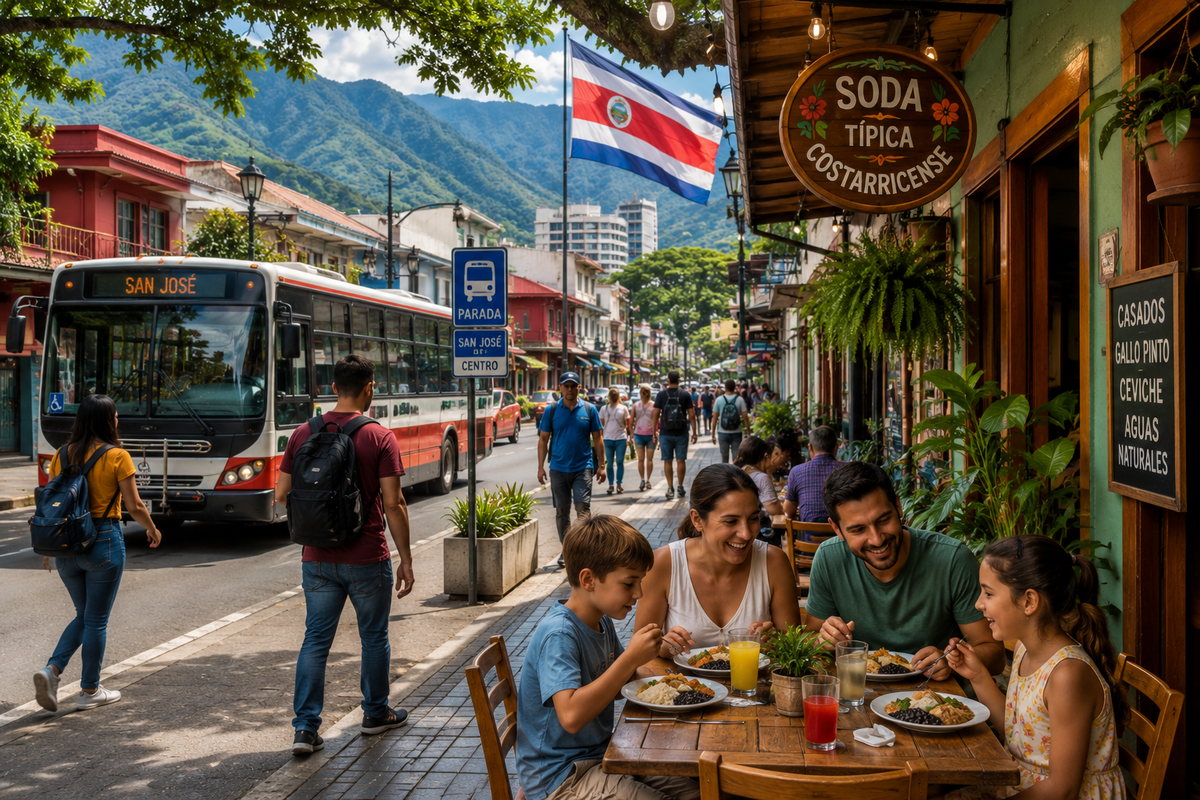
Understanding the landscape of crime in Costa Rica helps travelers make informed decisions. While violent crime is rare, petty theft and opportunistic scams are the most common concerns. The good news is that most incidents involve tourists who were unprepared or unaware of local risks. By familiarizing yourself with these challenges, you can significantly reduce your vulnerability.
The majority of crimes in Costa Rica fall into two broad categories: petty theft and scams targeting tourists. Violent crime, such as armed robbery or assault, is uncommon but not unheard of — especially in urban areas like San José or Liberia. However, these incidents often involve locals resolving personal disputes rather than targeting visitors. The key takeaway is that Costa Rica is statistically safer than many other Latin American countries, but vigilance is still required.
For example, beach towns like Jacó and Tamarindo are hotspots for pickpocketing, particularly in crowded markets or nightlife districts. Thieves often work in teams, with one distracting you while another snatches your bag or phone. Similarly, rental car theft is a persistent issue, so never leave valuables visible in your vehicle. Even in seemingly safe areas, opportunistic criminals may strike if they sense an easy target.
Common Types of Crime
Knowing what to watch out for is one of the most effective ways to stay safe in Costa Rica. Here is a breakdown of the most frequent crimes affecting tourists, along with practical tips for avoiding each one.
Pickpocketing and bag snatching:
- Most common in tourist-heavy areas like San José, Jacó, and Manuel Antonio.
- Thieves often target crowded buses, markets, and beachfront bars.
- Example: A pickpocket might “accidentally” bump into you while reaching for your phone in a purse.
Rental car theft and break-ins:
- Leaving valuables in your car — even in the trunk — can attract thieves.
- Some criminals smash windows to steal GPS devices or loose change.
- Always park in well-lit, guarded areas and remove all items from the vehicle.
Scams involving taxis and tours:
- Unlicensed taxis may overcharge or take longer routes to inflate fares.
- Fake tour operators sell tickets for “exclusive” experiences that don’t exist.
- Always use official taxis (red with yellow stripes) or rideshare apps like Uber.
Credit card fraud:
- Skimming devices have been found in some ATMs, especially in less secure locations.
- Always cover the keypad when entering your PIN and use ATMs inside banks.
- Notify your bank before traveling to avoid card blocks.
Drunk driving and roadside incidents:
- While not a crime against tourists, reckless driving is a major hazard on Costa Rica’s roads.
- Avoid nighttime driving, especially on rural routes with poor lighting.
By staying aware of these risks, you can enjoy Costa Rica’s wonders without falling victim to common pitfalls. The next section highlights the safest places to visit, where you can relax knowing you’re in a well-protected area.
Safest Places to Visit in Costa Rica

Costa Rica’s safest places are not just about low crime rates — they also offer exceptional infrastructure, emergency services, and a strong tourist presence. These destinations are ideal for families, solo travelers, and adventurers alike, providing peace of mind while delivering unforgettable experiences. Whether you’re seeking pristine beaches, lush jungles, or vibrant culture, these spots are top-tier for safety and enjoyment.
Manuel Antonio National Park
- UNESCO World Heritage Site attracting visitors from around the world.
- Heavily patrolled by rangers to protect wildlife and tourists.
- Nearby towns like Quepos and Damas have strong tourism infrastructure.
- Reliable medical facilities and 24/7 police presence.
- Hotels and tour operators are well-vetted for safety and quality.
Monteverde
- Located in the cloud forests of the Tilarán Mountains.
- Famous for eco-tourism activities like hiking, zip-lining, and wildlife sanctuaries.
- Tourist activities focus strongly on visitor safety.
- Small, organized town with a supportive expat community.
Tamarindo
- Popular destination for surfers and beach lovers.
- Known for its lively but controlled atmosphere.
- Strong police presence, especially at night.
- Well-developed tourism sector with high service standards.
Guanacaste (Santa Teresa & Nosara)
- Combines luxury, relaxation, and safety.
- Popular among digital nomads, creating a well-regulated environment.
- Nosara is especially known for wellness, sustainability, and security.
- Great choice for travelers seeking both adventure and tranquility.
Top 5 Safest Destinations in Costa Rica
Each of the following destinations has been consistently recognized for its safety record, strong tourism infrastructure, and reliable emergency services — making them the best starting points for any visit to Costa Rica.
1. Manuel Antonio
- Patrolled the national park with ranger stations every few kilometers.
- High concentration of tour operators with excellent safety records.
- Medical facilities in nearby Quepos are well-equipped for emergencies.
2. Monteverde
- Small-town charm with a strong expat community.
- Guided tours are mandatory for many activities, reducing risks.
- Low violent crime rate due to its remote yet well-monitored location.
3. Tamarindo
- Lively beach town with a visible police presence.
- Well-developed tourism infrastructure with reliable emergency services.
- Popular with families, ensuring a controlled environment.
4. Nosara
- Yoga and wellness-focused community with a strong emphasis on safety.
- Low crime rates due to its tight-knit expat and tourist population.
- Private security services available for guided tours and beach patrols.
- SkyDealFinder highlights Nosara as a top pick for digital nomads and wellness travelers.
5. Santa Teresa
- Surf and bohemian culture with a well-established tourist safety network.
- Private security companies monitor beach areas and popular surf spots.
- Small-town vibe with a strong sense of community, reducing risks of isolated incidents.
- Medical clinics and emergency services are easily accessible within the area.
While these destinations are among the safest, they still require basic precautions. Always secure your belongings in crowded areas, avoid walking alone at night, and use licensed tour operators. The next section explores transportation safety in Costa Rica, a critical aspect of travel that can make or break your experience.
Transportation Safety in Costa Rica
Navigating Costa Rica’s diverse landscapes — from dense jungles to winding coastal roads — can be an adventure in itself. Transportation safety is a top concern for many travelers, and understanding your options is essential for planning a smooth and secure trip. The good news is that Costa Rica offers multiple safe and reliable options for getting around, provided you know how to use them wisely.
Whether you’re driving a rental car, hopping on a bus, or booking a taxi, understanding the risks and best practices will ensure a smooth journey. One of the most common transportation-related incidents involves rental cars. While driving in Costa Rica can be exhilarating, it also comes with challenges, such as poorly marked roads, aggressive drivers, and occasional roadblocks. Public transportation, including buses and shuttles, is generally safe but can be crowded and less predictable. Taxis and rideshare services are convenient but require caution to avoid scams or unsafe vehicles. By familiarizing yourself with these options, you can choose the best fit for your comfort level and itinerary.
Driving Conditions in Costa Rica
Driving in Costa Rica can be an incredible way to explore its stunning landscapes, but it requires preparation and caution. Road conditions vary significantly between urban highways and rural mountain routes, so knowing what to expect before you get behind the wheel can make a substantial difference. Here’s what you need to know:
Road quality and signage:
- Highways like the Interamericana are well-maintained but can be congested in urban areas.
- Secondary roads often lack clear markings, speed limits, or guardrails, increasing risks.
- Mountainous routes (e.g., Route 1 to Monteverde) are narrow and prone to landslides during rainy seasons.
Common driving hazards:
- Aggressive drivers: Speeding, overtaking on blind curves, and honking are frequent issues.
- Animals on the road: Cows, dogs, and even monkeys can suddenly appear, especially in rural areas.
- Poor lighting: Many roads outside cities lack streetlights, making night driving dangerous.
- Roadblocks (“peajes”): Temporary checkpoints may ask for bribes — politely decline and insist on official documentation.
Rental car safety tips:
- Always rent from reputable companies with insurance coverage (e.g., Europcar, Hertz, or Localiza).
- Inspect the vehicle for pre-existing damage before driving off — take photos as evidence.
- Avoid driving at night, especially on unpaved roads or in remote areas.
- Keep doors locked and windows up, even when stopped at traffic lights.
Required documents:
- An International Driving Permit (IDP) is mandatory alongside your valid license.
- A passport and a rental agreement must be carried at all times.
- Vehicle registration and proof of insurance are checked during police stops.
If driving isn’t your preference, Costa Rica’s public transportation system offers viable alternatives, though they come with their own set of guidelines.
Public Transportation Safety
Costa Rica’s public transportation system is affordable and widely used by locals and tourists alike. Safety levels vary depending on the type of service you choose, so understanding the differences is key to avoiding potential risks and enjoying a hassle-free journey.
Intercity buses:
- Safest options: Companies like Transportes Alfaro Ruiz, Tracopa, and Terminal 7-10 (San José) operate modern buses with seatbelts and air conditioning.
- Routes: Connect major cities (e.g., San José to Liberia, Manuel Antonio, or Puerto Viejo) with frequent departures.
- Security: Buses have onboard security personnel, and luggage is stored in locked compartments.
- Booking: Purchase tickets in advance at terminals or via authorized vendors to avoid scalpers.
Local buses (“públicos”):
- Risks: Overcrowding, lack of seatbelts, and unregulated drivers — especially at night.
- When to use: Short distances within cities (e.g., San José to Escazú) during daylight hours.
- Precautions: Hold onto your belongings tightly and avoid carrying large bags or valuables.
- Alternative: Shared shuttles (e.g., Easy Ride or Interbus) offer a safer middle-ground option.
Trains:
- Limited service: The Cariari Train (San José to Puntarenas) is scenic but infrequent — check schedules in advance.
- Safety: Trains are well-maintained, but theft can occur in crowded stations. Keep valuables secure.
Ferries:
- Scenic routes: Connects Puntarenas to Monteverde or Caño Island — ideal for avoiding long drives.
- Safety: Ferries are regulated, but seasickness can be an issue. Book tickets early for popular routes.
For those who prefer door-to-door service without the hassle of public transport, taxis and rideshares are convenient — but they require careful selection to avoid scams or unsafe vehicles.
Taxi and Rideshare Tips
Using taxis and rideshare services in Costa Rica can be a convenient way to get around, but knowing the difference between licensed and unlicensed operators — and how to handle fare negotiations — is essential for a safe and cost-effective experience.
Official taxis:
- Identification: Look for red taxis with yellow stripes — these are licensed and metered.
- Avoiding scams: Insist on the meter being turned on; refuse if the driver refuses or offers a “fixed rate” without agreement.
- Popular companies: Radio Taxi, CoopeTaxi, and Uber (available in San José, Liberia, and some beach towns).
- Nighttime rides: Stick to official taxis or rideshares — avoid hailing cabs on the street, especially in unfamiliar areas.
Rideshare apps:
- Uber: Operates in San José, Tamarindo, Jacó, and other tourist hubs. Prices are transparent, and driver ratings are visible.
- Easy Taxi: Another reliable app with English support and real-time tracking.
- Precautions: Share your trip details with a friend and avoid entering a vehicle if the driver seems unprofessional.
Negotiating fares:
- For unmetered taxis (common in rural areas), agree on a price before getting in.
- Use Google Maps to estimate fares and compare with local rates.
- Avoid taxis that refuse to provide receipts — useful for expense tracking and disputes.
Safety inside the taxi:
- Sit in the back seat and keep doors locked.
- Avoid discussing personal details or showing valuables.
- If you feel unsafe, ask the driver to stop at a police station or a well-populated area.
By following these guidelines, you can navigate Costa Rica’s transportation network with confidence. The next section addresses a common concern: Is Costa Rica safe for solo travelers?
Is Costa Rica Safe for Solo Travelers?
Solo travel in Costa Rica is not only possible but also highly rewarding, thanks to the country’s welcoming culture and well-developed tourism infrastructure. Many solo adventurers — from backpackers to digital nomads — find Costa Rica an ideal destination for its safety, affordability, and diverse experiences. However, solo travelers must take extra precautions to mitigate risks, particularly regarding accommodation, transportation, and social interactions.
One of the biggest advantages for solo travelers is Costa Rica’s strong expat and backpacker communities. Popular destinations like Santa Teresa, Nosara, and La Fortuna have hostels and social hubs where solo travelers can easily meet like-minded people. These communities often organize group activities, such as hiking trips or beach cleanups, which provide both safety in numbers and an opportunity to explore the country with trusted companions. SkyDealFinder offers curated accommodation and activity recommendations specifically tailored for solo travelers, making it easier to find safe, well-reviewed options that align with your itinerary and comfort level.
Start your journey today and discover unbeatable flight deals  Book your ticket from here
FAQs
Is Costa Rica safe for families with children?
Costa Rica is generally considered a safe destination for families traveling with children, especially in popular tourist areas such as Manuel Antonio, La Fortuna, and Guanacaste. The country has a stable political environment, friendly locals, and many family-friendly resorts and activities. Parents should still supervise children closely in beaches, forests, and crowded areas to ensure a safe and enjoyable trip.
What travel scams should visitors watch out for in Costa Rica?
Visitors in Costa Rica should be cautious of common travel scams such as overpriced taxi fares, fake tour operators, and credit card fraud. Some tourists may also encounter rental car scams involving false damage claims or inflated insurance fees. To avoid problems, travelers should use licensed taxis, book tours through trusted companies, and pay attention when using cards or handling cash.
What precautions should travelers take while visiting Costa Rica?
Travelers should take normal safety precautions by avoiding isolated areas at night, keeping valuables secure, and staying aware of their surroundings. It is recommended to use official transportation services and avoid displaying expensive jewelry or electronics in public. Visitors should also follow local weather and wildlife safety guidelines, especially during outdoor activities such as hiking, swimming, or zip-lining.


What To Check Before Booking A Hotel?
May 27, 2026 - 12:43 pm[…] of the neighborhood: Research crime rates and local safety reports. Websites like Numbeo provide insights into safety levels in different […]