
 Book Tour
Knowing what to pack for adventure travel is essential for staying safe, comfortable, and prepared during outdoor experiences. Adventure trips often involve unpredictable weather, challenging terrain, and physical activities that require practical gear. Packing the right equipment can improve mobility, reduce stress, and help travelers handle unexpected situations more effectively. From clothing and hydration systems to sleeping gear and safety tools, every item plays an important role in the journey. A well-planned packing list allows adventurers to enjoy their experience with greater confidence and convenience.
Importance of Packing Correctly for Adventure Travel
Packing properly is one of the most important parts of adventure travel, as the right gear improves safety, comfort, and overall travel experience. Smart preparation helps travelers handle different environments and unexpected situations more effectively.
- Choose practical and durable gear suitable for the destination and activities.
- Research the climate, terrain, and possible risks before packing.
- Avoid overpacking to reduce extra weight and improve mobility during travel.
- Use weather-resistant backpacks and moisture-wicking clothing for protection and comfort.
- Organize essential items carefully for quick access during emergencies.
- Proper preparation increases confidence and helps travelers enjoy the adventure with less stress.
Why Overpacking Can Ruin Your Adventure
While it might seem logical to bring everything you might need, overpacking can quickly turn your adventure into a burden. Here’s why:
- Increased physical strain: Carrying excess weight can lead to fatigue, especially on long hikes or multi-day treks.
- Reduced mobility: Bulky gear can hinder your ability to navigate challenging terrain, such as steep climbs or narrow trails.
- Logistical challenges: Transporting heavy backpacks on public transport or through crowded areas can be cumbersome.
- Higher costs: Additional gear means extra expenses, which can add up quickly, especially if you’re purchasing specialized equipment.
- To avoid these pitfalls, focus on packing only the essentials. Prioritize multi-functional items that serve multiple purposes, such as a sleeping bag that doubles as a blanket or a bandana that can be used for cleaning, cooling, or even as a makeshift sling.
Essential Mindset Shifts for Adventure Packing
Adopt the “Rule of Three”: This principle suggests that you can survive three minutes without air, three hours without shelter, three days without water, and three weeks without food. Prioritize your packing list based on this hierarchy.
- Embrace minimalism: Ask yourself, “Do I need this, or do I just want it?” If it doesn’t serve a critical function, leave it behind.
- Plan for versatility: Choose gear that can adapt to changing conditions. For example, a convertible hiking pole can be used for trekking and fishing.
- Test your gear beforehand: Always try out new equipment on shorter trips before committing to a long adventure. This helps identify any flaws or discomforts early on.
How Do I Choose the Right Backpack for Adventure Travel?
Choosing the right backpack is essential for adventure travel because it affects comfort, mobility, and overall travel efficiency. A well-designed backpack helps travelers carry their gear safely while reducing physical strain during long trips.
- Select a backpack size that matches the length and type of your adventure.
- Day trips usually require 20–30 liter packs, while multi-day trips may need 50–70 liters.
- Avoid carrying more than 20–25% of your body weight to reduce fatigue and discomfort.
- Look for adjustable straps and padded support for better weight distribution and comfort.
- Choose durable, water-resistant materials like nylon or polyester for outdoor conditions.
- High-quality zippers, reinforced stitching, and breathable back panels improve durability and convenience.
Another crucial aspect is organization and accessibility. Your backpack should have multiple compartments and pockets to keep your gear organized and easily accessible. Prioritize features like:
- A main compartment for bulkier items
- Side pockets for water bottles or snacks
- Front pockets for quick-access items like maps or a first aid kit
- Internal dividers to separate clothing, electronics, and other essentials
Finally, consider the durability and weather resistance of the backpack. If you’re venturing into wet or muddy conditions, opt for a pack with a waterproof cover or a roll-top closure. Reflective elements can also enhance visibility during low-light conditions, adding an extra layer of safety.
Top Features to Look for in an Adventure Backpack
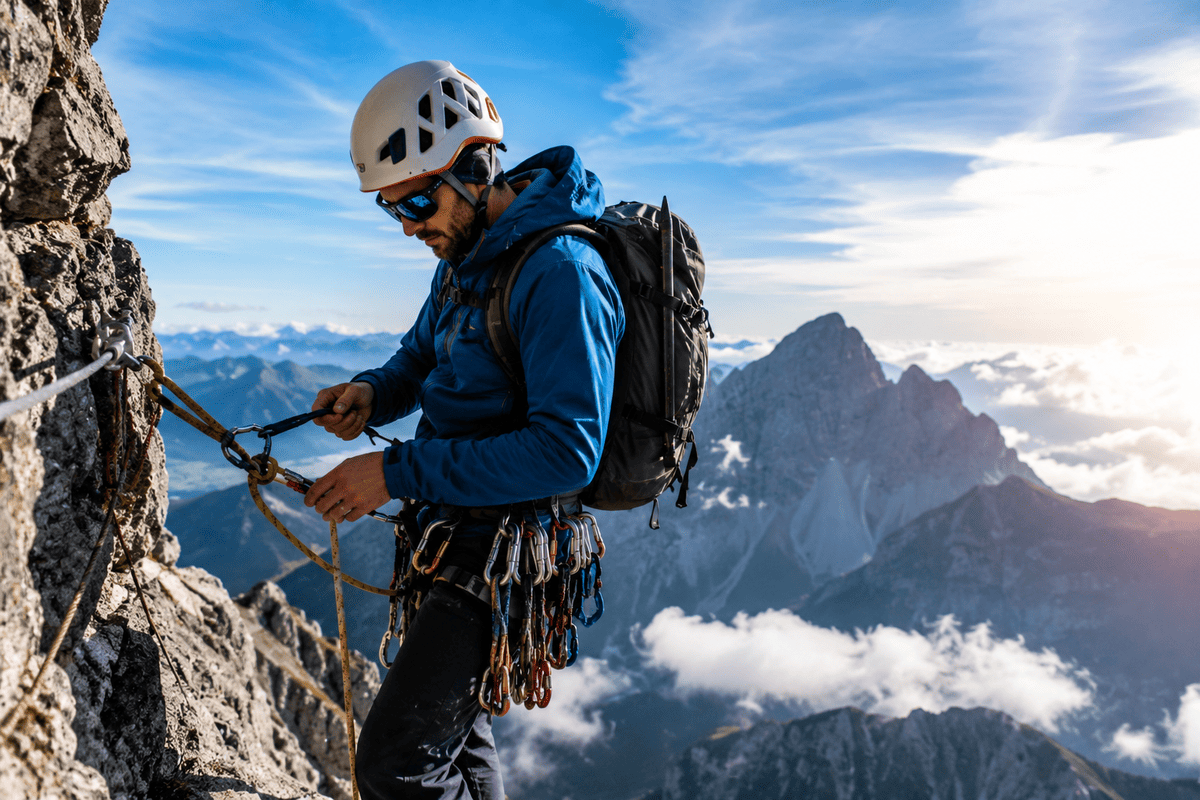
When shopping for an adventure backpack, keep an eye out for these essential features:
- Ergonomic suspension system: Ensures weight is distributed evenly across your body.
- Adjustable hip belt: Provides stability and reduces shoulder strain.
- Padded shoulder straps: Offers comfort during long wear.
- Multiple compartments: Keeps gear organized and accessible.
- Water-resistant material: Protects your belongings from rain and moisture.
- Durable zippers and buckles: Ensures longevity and easy access.
- External attachment points: Allows you to secure additional gear like trekking poles or a sleeping pad.
Backpack Sizing Guide by Trip Type
Day Hikes (1–2 hours): 20–30 liters
- Ideal for short excursions with minimal gear.
- Focus on hydration, snacks, and a basic first aid kit.
- Overnight Trips (1–2 nights): 40–50 liters
- Accommodates a sleeping bag, tent, and essential clothing.
- Prioritize comfort and weight distribution.
- Multi-Day Treks (3+ nights): 50–70 liters
- Suitable for extended adventures with more gear.
- Look for packs with dedicated compartments for food and sleeping gear.
- Backcountry Expeditions (7+ days): 70–90 liters
- Designed for long-duration trips with heavy loads.
- Often includes specialized features like ice axe loops or ski carriers.
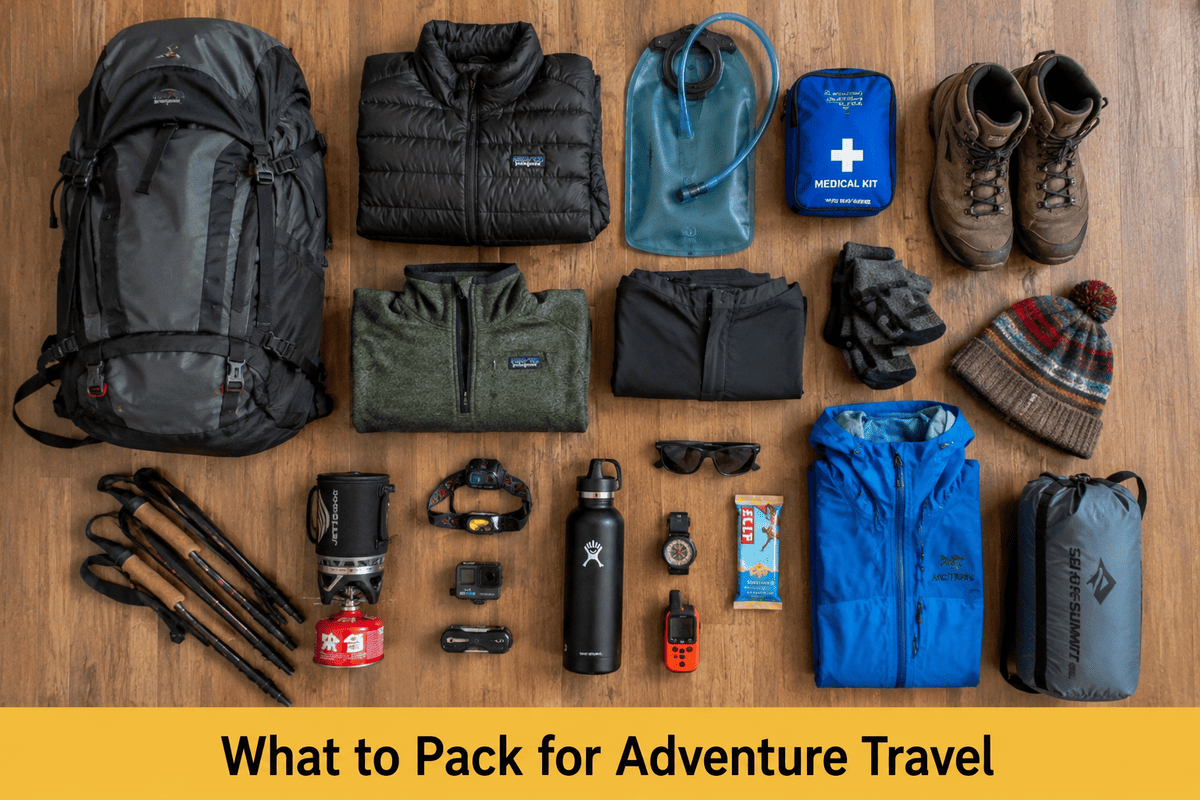
What to Pack for Adventure Travel?
Packing the right essentials is important for staying safe, comfortable, and prepared during adventure travel. A smart packing list should focus on practical gear that works well in different environments and weather conditions.
- Include essential items such as shelter, clothing, food, water, and navigation tools.
- Choose a lightweight and weather-resistant tent suitable for the travel environment.
- Pack a sleeping bag and sleeping pad for warmth and comfort during camping trips.
- Wear layered clothing to adjust easily to changing temperatures and weather conditions.
- Use moisture-wicking base layers, insulating mid-layers, and waterproof outer jackets.
- Add specialized gear depending on the destination, such as cold-weather or desert equipment.
Essential Clothing Items for Adventure Travel
Choosing the right clothing for adventure travel helps protect travelers from changing weather conditions and improves overall comfort. Layered clothing is the best way to stay prepared for different temperatures and outdoor challenges.
- Use moisture-wicking base layers to keep sweat away and stay dry.
- Choose merino wool or synthetic fabrics for quick drying and odor resistance.
- Wear insulating mid-layers like fleece or lightweight down jackets for warmth.
- Pack waterproof and windproof outer layers for protection against harsh weather.
- Breathable materials such as Gore-Tex help prevent overheating while staying dry.
- Lightweight puffy jackets are ideal for cold environments because they provide warmth without extra bulk.
Base layers: Long-sleeve moisture-wicking shirts and thermal leggings
Insulating layers: Fleece jackets, down or synthetic puffers, and lightweight sweaters
- Outer shells: Waterproof and windproof jackets and pants
- Quick-dry pants: Convertible or zip-off options for versatility
- Sun protection: Lightweight long-sleeve shirts, hats, and UV-blocking sunglasses
- Gloves and socks: Moisture-wicking, insulated gloves, and merino wool socks
- Underwear: Merino wool or synthetic fabrics to prevent chafing and odor
When selecting clothing, prioritize durability and functionality over style. Avoid cotton, as it retains moisture and can lead to hypothermia in cold conditions. Instead, opt for synthetic or wool fabrics that dry quickly and provide insulation even when wet. Additionally, consider the color of your clothing—bright or neon colors can enhance visibility in low-light conditions, while darker colors absorb more heat.
Footwear Selection for Different Terrains
Your choice of footwear can significantly impact your comfort, safety, and overall experience during adventure travel. The right shoes or boots should provide support, traction, and durability while matching the demands of your terrain. For example, a hiking boot with ankle support is ideal for rugged trails and mountainous regions, while a trail runner offers greater flexibility for faster-paced hikes on smoother terrain.
Here are the key factors to consider when selecting footwear:
- Terrain type
- Mountainous or rocky trails: Opt for high-top boots with aggressive treads and ankle support.
- Flat or forested paths: Lightweight trail runners or low-profile hiking shoes work well.
- Desert or sandy environments: Choose breathable, wide-toed shoes with deep lugs for stability.
- Wet or marshy areas: Waterproof boots with quick-drying liners are essential.
- Fit and comfort
- Ensure a snug fit without excessive tightness to prevent blisters.
- Break in new footwear before your adventure to avoid discomfort.
- Consider moisture-wicking socks to complement your footwear.
- Durability and weight
- Heavier boots offer more protection but can be cumbersome on long treks.
- Lighter shoes provide agility but may lack support on rough terrain.
- Weather conditions
- Waterproof boots are a must for rainy or snowy environments.
- Insulated boots with thermal liners are necessary for extreme cold.
For extended adventures, it’s wise to carry a pair of camp shoes— lightweight sandals or slip-ons—that you can wear around camp to rest your feet. Brands like Merrell, Salomon, and Keen offer specialized footwear for various terrains, so research options that align with your specific needs.
Must-Have Travel Gear (Backpack, Hydration System, Sleeping Gear)
Travel gear plays a major role in keeping adventure travelers safe, comfortable, and prepared during outdoor experiences. Choosing reliable equipment can improve both convenience and performance throughout the journey.
- Carry a high-quality hydration system to stay hydrated during activities.
- Use hydration bladders or durable water bottles depending on the trip length.
- Pack a water filtration system for safe drinking water during long expeditions.
- Choose a sleeping bag suitable for the climate and weather conditions.
- Use a sleeping pad for insulation and extra comfort while camping.
- Add a sleeping bag liner or ground tarp for extra warmth and moisture protection.
Essential Travel Gear Checklist
- Backpack: Sized appropriately for your trip
- Hydration system: Bladder, water bottles, or filtration system
- Sleeping bag: Rated for the expected temperatures
- Sleeping pad: Inflatable or foam for insulation and comfort
- Tent or hammock: Weather-resistant and lightweight
- Headlamp or flashlight: With extra batteries for nighttime navigation
- Multi-tool or knife: For repairs, food prep, and emergencies
- Fire-starting kit: Lighter, waterproof matches, or ferro rod
- Repair kit: Duct tape, seam grip, and gear-specific patches
For navigation and communication, carry a fully charged power bank, a two-way radio, and a satellite communicator if you’re venturing into remote areas. These tools can be lifesavers in emergencies, especially when cell service is unreliable.
Safety and First Aid Essentials
No adventure is complete without a comprehensive first aid kit tailored to your destination and trip duration. A well-stocked kit can address minor injuries and prevent complications from becoming serious. Start with the basics: sterile gauze, adhesive bandages, antiseptic wipes, and medical tape. Include blister treatment supplies, such as moleskin or blister pads, as well as pain relievers like ibuprofen or acetaminophen. For more remote adventures, consider adding prescription medications, antihistamines, and electrolyte tablets to replenish fluids.
Travel First Aid Kit Checklist
- Wound care: Sterile gauze, adhesive bandages, medical tape, antiseptic wipes
- Blister treatment: Moleskin, blister pads, or anti-chafing balm
- Medications: Pain relievers, antihistamines, prescription drugs, and diarrhea treatment
- Infection prevention: Antibiotic ointment, alcohol wipes, and hand sanitizer
- Emergency supplies: Emergency blanket, whistle, and signal mirror
- Specialized items: Allergy medications, inhalers, or any personal medical needs
- Documentation: Copies of medical records and emergency contacts
For safety tools, carry a multi-tool or knife, a fire-starting kit, and a headlamp with extra batteries. If you’re traveling in bear country, a bear spray may be necessary, while snake bite kits are useful in venomous serpent regions. Always register your trip plan with someone back home and carry a personal locator beacon (PLB) or satellite communicator for emergencies.
Navigation Tools (Maps, GPS, Compass)
Getting lost is a real risk in remote or unfamiliar terrain, which is why navigation tools are non-negotiable. While modern technology like GPS devices and smartphone apps can be incredibly helpful, they should never be your sole means of navigation. Dead reckoning—using a compass and topographic maps—remains the most reliable method, especially in areas with poor signal reception.
Here’s how to choose the right navigation tools for your adventure:
- Compass: A basic but essential tool for orienting yourself and plotting courses. Learn how to use it before your trip.
- Topographic maps: Detailed maps that show elevation, trails, and landmarks. Waterproof versions are ideal for outdoor use.
- GPS device: Dedicated units like Garmin inReach offer offline maps and emergency SOS features.
- Smartphone apps: Apps like Gaia GPS, AllTrails, or Komoot can supplement traditional tools but require charging and signal.
- Paper backup: Always carry a printed map or guidebook as a failsafe for electronic malfunctions.
For long-distance treks, consider carrying a handheld GPS with pre-downloaded maps and waypoints. If you’re exploring wilderness areas, a personal locator beacon (PLB) can transmit your coordinates to rescue services even in areas with zero cell coverage — making it one of the most important safety investments for remote adventure travel.
Start your journey today and discover unbeatable flight deals  Book your ticket from here
FAQs
What should be included in a travel first aid kit?
A travel first aid kit should include basic medical supplies for handling minor injuries and emergencies during adventure trips. Essential items include bandages, antiseptic wipes, pain relievers, allergy medication, tweezers, and personal prescriptions. Travelers should also carry emergency contact information and any specialized items needed for their destination or activities.
How do I prepare for unexpected weather during adventure travel?
Preparing for unexpected weather requires packing layered clothing and reliable protective gear. Waterproof jackets, thermal layers, and weather-resistant footwear help travelers stay comfortable in changing conditions. Checking weather forecasts before departure and carrying emergency supplies can also improve safety during outdoor adventures.
What are common packing mistakes for adventure travel?
Common packing mistakes include overpacking unnecessary items and forgetting essential safety gear. Many travelers also fail to research weather conditions or pack clothing suitable for different environments. Poor organization and carrying heavy luggage can reduce comfort, mobility, and overall travel efficiency.


Comments are closed