
 Book Tour
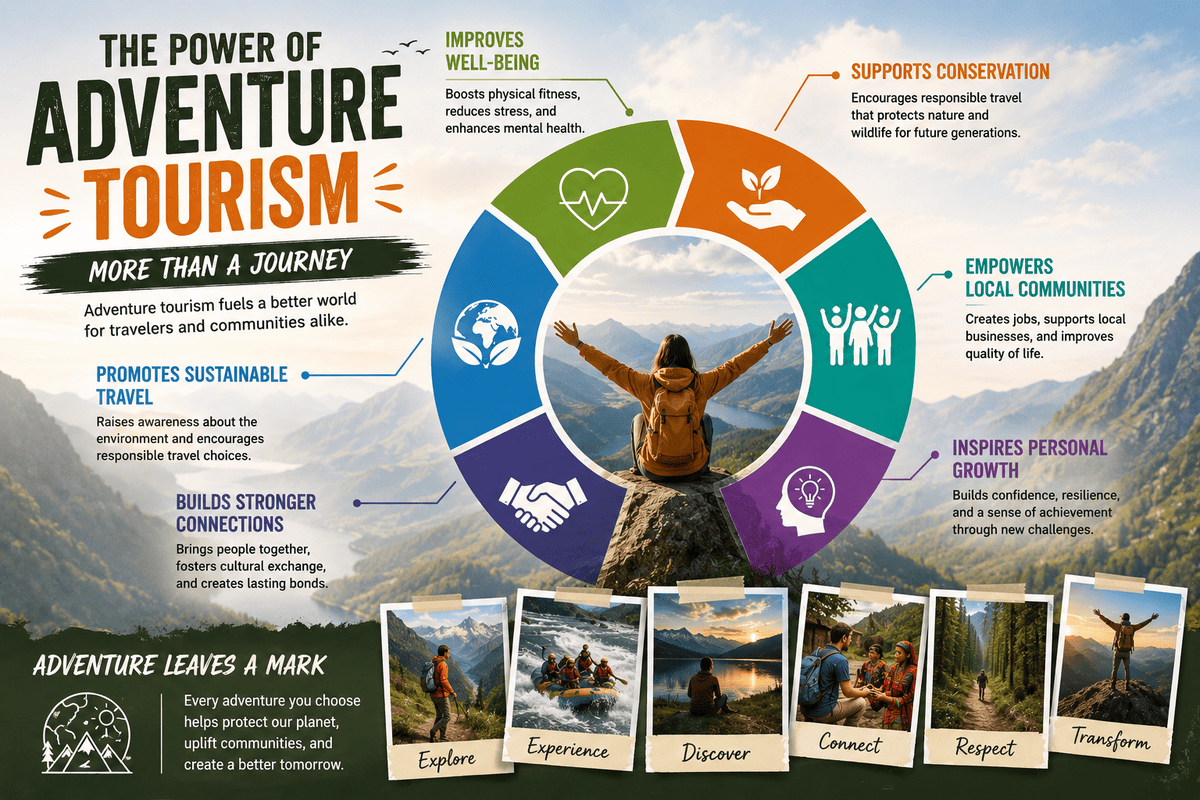
Understanding adventure tourism benefits helps travelers see why this type of travel has become increasingly popular worldwide. Adventure tourism combines outdoor activities, exploration, and personal challenges that create unforgettable experiences. Beyond excitement and entertainment, it also provides physical, mental, emotional, and social advantages. Activities like hiking, rafting, camping, and trekking encourage travelers to stay active while connecting with nature and different cultures. As more people seek meaningful and experience-driven travel, adventure tourism continues to offer lasting rewards that go far beyond a traditional vacation.
Overview of Key Adventure Tourism Benefits
Adventure tourism offers travelers exciting experiences that combine physical activity, personal growth, and cultural exploration. It has become one of the most popular travel styles because it provides meaningful and unforgettable adventures.
- Adventure tourism focuses on active experiences instead of traditional sightseeing and relaxation.
- Activities like hiking, rafting, and trekking help travelers build confidence and resilience.
- Adventure travel provides physical, mental, and emotional benefits through challenging experiences.
- Many travelers develop stronger cultural and natural connections during adventure trips.
- Adventure tourism can improve problem-solving skills, teamwork, and personal growth.
- Activities are available for different fitness levels, making adventure travel accessible to many people.
Why Adventure Tourism Stands Out
Adventure tourism benefits are not just about adrenaline; they’re about holistic well-being. Here’s what sets it apart from traditional travel:
- Active Participation: Unlike passive sightseeing, adventure tourism requires engagement, making every moment memorable.
- Skill Development: Activities like rock climbing or survival training sharpen physical and mental abilities.
- Cultural Immersion: Many adventure tours incorporate local guides and traditions, offering deeper cultural insights.
- Environmental Awareness: Adventure tourism often emphasizes sustainable practices, fostering a greater appreciation for nature.
For those curious about how to get started, the key is to choose activities that align with personal goals—whether it’s improving fitness, building confidence, or simply seeking new experiences. The benefits of adventure travel are vast, and the first step is often the hardest: taking that leap into the unknown.
Physical Health Benefits (Fitness, Endurance, Stamina)
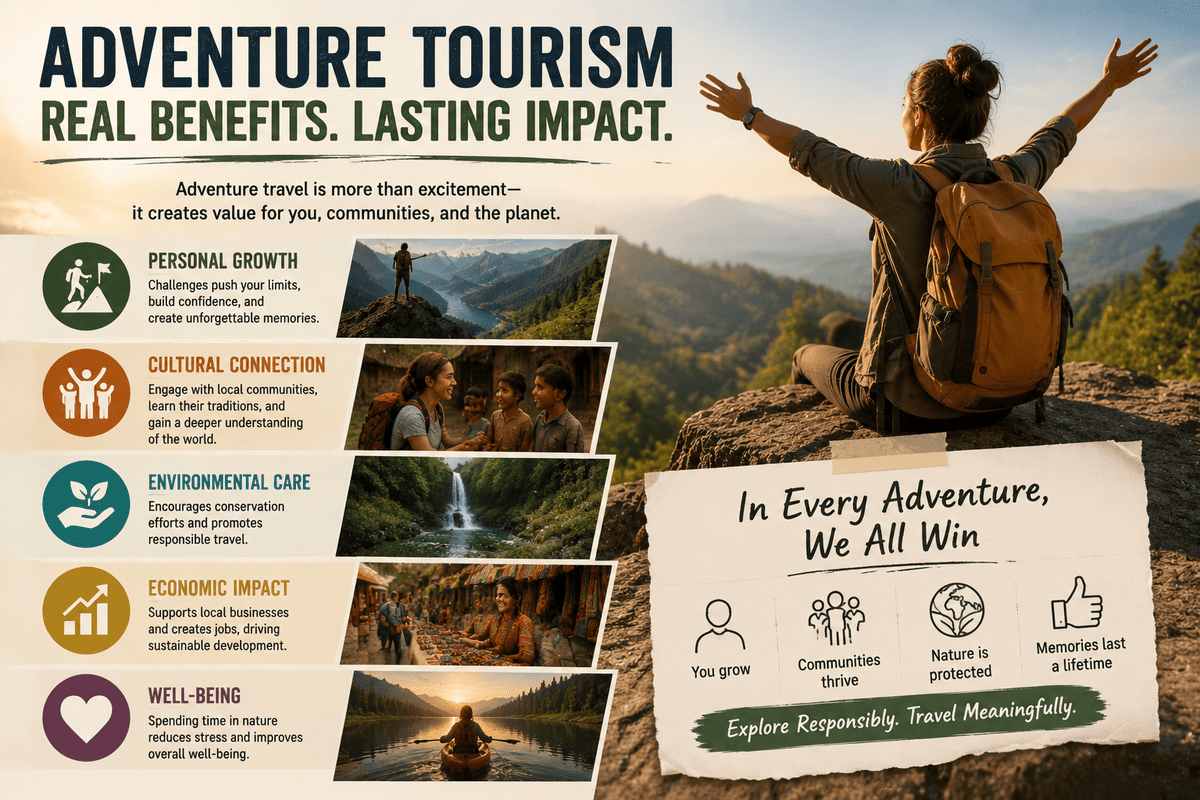
The body responds powerfully to the demands of adventure travel, making physical health one of the most immediate and measurable advantages of this form of tourism. From cardiovascular improvements to increased muscle strength, the following section breaks down exactly how adventure activities transform physical well-being.
One of the most immediate and tangible adventure tourism benefits is the positive impact on physical health. Unlike sedentary travel, adventure activities demand movement, strength, and endurance, making them a natural form of exercise. Whether you’re hiking through dense forests, paddling against strong currents, or cycling across rugged terrain, your body is engaged in ways that traditional vacations rarely achieve.
Adventure tourism benefits the body in several key ways:
- Cardiovascular Health: Activities like mountain biking, trail running, and kayaking elevate heart rates, improving circulation and reducing the risk of heart disease.
- Muscle Strength and Tone: Climbing, rafting, and even backpacking require the use of multiple muscle groups, leading to increased strength and definition.
- Flexibility and Balance: Yoga retreats, rock climbing, and surfing enhance flexibility, coordination, and proprioception (body awareness).
- Weight Management: The combination of physical exertion and exposure to fresh air often leads to healthier eating habits and weight loss.
For those new to adventure tourism, it’s essential to start with activities that match your current fitness level. Many adventure tours offer beginner-friendly options, ensuring that even those with limited experience can enjoy the outdoor travel benefits without overexertion. Over time, as confidence and stamina grow, participants often find themselves tackling more challenging adventures, further enhancing their physical well-being.
Adventure Tourism as a Full-Body Workout
Consider the following activities and their specific physical benefits:
- Hiking: Builds leg strength, improves joint mobility, and enhances lung capacity.
- Whitewater Rafting: Engages core muscles, improves grip strength, and boosts cardiovascular endurance.
- Surfing: Works the legs, core, and upper body while improving balance and coordination.
- Zip-lining: Strengthens arms, shoulders, and core while providing a full-body cardiovascular workout.
The beauty of adventure tourism is that it turns exercise into an adventure. Instead of viewing physical activity as a chore, travelers experience it as an exciting part of their journey. This mindset shift is one of the reasons why adventure tourism benefits extend far beyond the physical—it creates a positive association with movement that can last a lifetime.
Mental Health Benefits (Stress Relief, Confidence, Resilience)
Adventure tourism provides powerful mental health benefits by helping travelers escape stress and reconnect with nature. Outdoor challenges and natural environments often leave people feeling more refreshed, focused, and emotionally balanced.
- Adventure travel helps reduce stress, anxiety, and mental fatigue.
- Outdoor activities can increase happiness by boosting serotonin and dopamine levels.
- Nature-focused experiences encourage mindfulness and living in the present moment.
- Exploring natural environments helps travelers disconnect from daily pressures and distractions.
- Adventure tourism improves emotional well-being and creates a sense of relaxation and renewal.
- Many travelers return from adventure trips feeling more confident, energized, and mentally refreshed.
Building Confidence Through Challenge
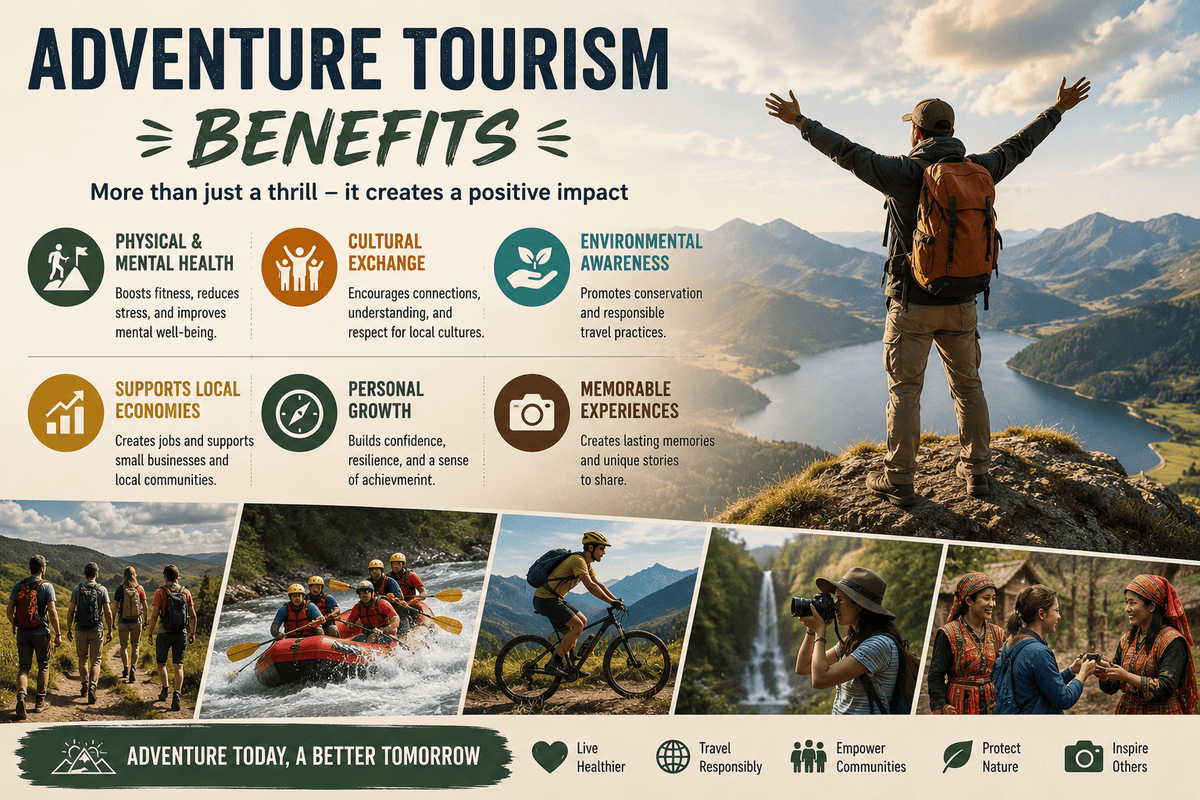
Adventure tourism also plays a crucial role in boosting self-confidence. Overcoming physical and mental challenges—whether it’s summiting a mountain, navigating a whitewater rapid, or completing a multi-day trek—instills a sense of accomplishment that translates into other areas of life. Many travelers report feeling more capable and self-assured after completing an adventure activity, a testament to the power of pushing beyond comfort zones.
Here’s how adventure tourism builds mental resilience:
- Problem-Solving Skills: Adventures often require quick thinking and adaptability, sharpening cognitive abilities.
- Overcoming Fear: Confronting fears (like heights or water) in a controlled environment builds courage.
- Mindfulness: The focus required in activities like rock climbing or kayaking encourages present-moment awareness.
- Reduced Mental Fatigue: The mental “reset” provided by nature helps combat burnout and exhaustion.
For those struggling with mental health challenges, adventure tourism can serve as a therapeutic outlet. Many retreats and tours are specifically designed to support mental well-being, offering guided activities that promote relaxation and self-discovery. The why adventure tourism is important lies in its ability to provide a break from digital overload and everyday stressors, allowing participants to reconnect with themselves and the world around them.
Emotional Benefits (Happiness, Fulfillment, Excitement)
Adventure tourism creates powerful emotional experiences that stay with travelers long after the journey ends. The excitement, achievement, and personal satisfaction gained from adventure travel often make these trips truly unforgettable.
- Adventure travel creates lasting feelings of joy, excitement, and fulfillment.
- New and thrilling experiences help travelers break routine and feel more energized.
- Activities like hiking, climbing, or bungee jumping provide emotional excitement and adrenaline.
- Adventure tourism encourages personal achievement and boosts self-confidence.
- Memorable outdoor experiences often leave travelers feeling happier and emotionally refreshed.
- The emotional impact of adventure travel can create lifelong memories and stronger personal connections.
Creating Lasting Memories
One of the most enduring emotional benefits of adventure tourism is the creation of unforgettable memories. Unlike passive tourism, where experiences can blend together, adventure activities are vivid and distinct. The sense of achievement from completing a challenging trek, the camaraderie of a group expedition, or the awe of witnessing a natural wonder—these are the moments that define a life well-lived.
Here’s how adventure tourism enriches emotional well-being:
- Increased Happiness: The release of endorphins during physical activity leads to a natural “high.”
- Sense of Accomplishment: Achieving personal goals (like summiting a peak) boosts self-worth.
- Connection to Nature: Spending time outdoors fosters a deeper appreciation for the natural world.
- Emotional Release: Adventures often serve as a cathartic experience, helping to process emotions.
For many, the emotional benefits of adventure tourism extend beyond the trip itself. The stories shared, the skills learned, and the confidence gained become part of one’s identity, influencing future decisions and aspirations. This is why adventure tourism benefits are so deeply personal—they shape not just the traveler, but the person they aspire to become.
Social Benefits (Teamwork, Communication, New Connections)
Adventure tourism strengthens social connections and creates meaningful cultural experiences through shared activities and local interactions. These experiences help travelers build relationships while gaining a deeper understanding of different communities and traditions.
- Adventure activities encourage teamwork, communication, and shared experiences among travelers.
- Group adventures often create strong friendships and long-lasting social connections.
- Travelers can meet people who share similar interests in exploration and outdoor activities.
- Adventure tourism allows visitors to experience authentic local cultures and traditions.
- Local guides and communities provide valuable insights into history, nature, and cultural practices.
- Cultural immersion through adventure travel promotes respect, awareness, and sustainable tourism
Here’s how adventure tourism enriches cultural understanding:
- Direct Interaction with Locals: Guided tours often include homestays, cooking classes, or storytelling sessions with community members.
- Traditional Skill-Sharing: Activities like weaving, pottery, or traditional hunting techniques offer hands-on cultural education.
- Language Exchange: Many adventure tours incorporate basic language lessons, breaking down communication barriers.
- Cultural Festivals and Rituals: Participating in local celebrations or ceremonies provides a firsthand look at traditions.
For travelers, these experiences go beyond sightseeing—they create meaningful connections that challenge stereotypes and promote mutual respect. Many adventure tourism operators prioritize responsible travel, ensuring that cultural exchanges are respectful and mutually beneficial. This approach not only enhances the traveler’s experience but also supports the preservation of local heritage.
Skill Development Through Adventure Activities
Adventure tourism helps travelers develop practical skills that can be useful both during travel and in everyday life. Outdoor challenges encourage learning, adaptability, and personal growth through hands-on experiences.
- Adventure activities improve problem-solving and decision-making skills in challenging situations.
- Travelers learn practical outdoor abilities such as navigation, survival, and route planning.
- Adventure tourism builds adaptability by teaching people how to handle unexpected conditions.
- Team-based activities strengthen leadership, communication, and cooperation skills.
- Outdoor experiences improve confidence and the ability to stay calm under pressure.
- Many of these skills remain valuable long after the adventure trip has ended.
Here’s how adventure tourism fosters skill growth:
- Technical Skills: Activities like rock climbing, scuba diving, or whitewater rafting require specialized training, which can lead to certifications and lifelong hobbies.
- Navigation and Orientation: Hiking and backpacking trips teach map-reading, compass use, and route planning—skills that are invaluable in everyday life.
- Survival and First Aid: Many adventure tours include wilderness first aid or survival training, preparing participants for emergencies.
- Leadership and Decision-Making: Group adventures often require team leadership, conflict resolution, and quick decision-making under pressure.
For professionals, these skills can enhance career prospects. For instance, project management skills honed during a multi-day expedition can be directly applied to workplace challenges. Additionally, adventure tourism encourages continuous learning, as participants often seek out new challenges to master. Platforms like SkyDealFinder offer curated adventure packages that cater to skill-building goals, making it easier to find opportunities tailored to individual interests.
The following frequently asked questions address some of the most common curiosities and concerns travelers have about adventure tourism — from its social impact and suitability for different age groups to how its benefits stack up against its risks.
What Social Benefits Come from Adventure Travel?
Adventure travel fosters social connections in ways that traditional tourism cannot. Here’s how:
- Strengthened Teamwork: Group activities like rafting or hiking require collaboration, building trust and communication skills.
- Bonding with Family or Friends: Shared challenges create lasting memories and deepen relationships.
- Meeting Like-Minded People: Adventure tours attract individuals passionate about outdoor experiences, leading to lifelong friendships.
- Cultural Exchange: Interacting with local guides and fellow travelers broadens social perspectives and fosters global awareness.
- Adventure tourism also encourages inclusivity, as activities can be adapted for diverse groups, including those with disabilities or varying fitness levels. The social dynamics of adventure travel often lead to personal growth, as participants learn to support and rely on one another.
How Does Adventure Tourism Help with Personal Growth?
Adventure tourism is a catalyst for personal development, pushing individuals out of their comfort zones and encouraging self-discovery. Here’s how it contributes to growth:
- Building Confidence: Overcoming challenges—whether physical or mental—boosts self-esteem and self-efficacy.
- Enhancing Resilience: Navigating unexpected obstacles (like weather changes or route adjustments) teaches adaptability.
- Encouraging Mindfulness: The focus required in activities like meditation retreats or solo hikes fosters mental clarity.
- Expanding Perspectives: Exposure to new cultures and environments broadens worldviews and encourages open-mindedness.
For many, adventure tourism serves as a transformative experience, helping individuals break free from routine and rediscover their potential. The skills and mindset gained through adventure often translate into improved performance in work, relationships, and daily life.
Is Adventure Tourism Suitable for All Age Groups?
Adventure tourism is highly adaptable and can be enjoyed by people of all ages, from children to seniors. Here’s how different age groups can participate:
- Children and Teens: Activities like junior ranger programs, beginner hiking trails, or kayaking camps are designed to introduce young adventurers to outdoor skills in a safe, engaging way.
- Young Adults: This group often seeks adrenaline-fueled experiences like bungee jumping, backpacking, or scuba diving, which align with their energy levels and risk tolerance.
- Adults and Professionals: Many opt for wellness retreats, leadership training expeditions, or cultural immersion tours that combine adventure with personal or professional development.
- Seniors: Low-impact activities like gentle hiking, birdwatching tours, or guided nature walks cater to older adults, focusing on relaxation and enjoyment rather than intensity.
The key to safe adventure tourism for all ages lies in choosing activities that match individual abilities and interests. Many operators offer modified versions of classic adventures to ensure accessibility. For example, whitewater rafting can be scaled down to calmer rivers, and hiking trails can be shortened for less experienced participants.
What Are the Risks Compared to the Benefits of Adventure Tourism?
While the benefits of adventure tourism are extensive, it’s important to acknowledge potential risks and how to mitigate them. Understanding these risks ensures that adventure travel remains a safe and rewarding experience. Here’s a balanced look at the key considerations:
- Physical Risks: Injuries can occur during high-intensity activities, but proper training, gear, and supervision minimize dangers. For example, rock climbing with a certified instructor reduces the risk of falls.
- Weather-Related Challenges: Unpredictable conditions (e.g., storms, extreme temperatures) can pose threats, but planning and preparation—such as checking forecasts and packing appropriate clothing—mitigate these risks.
- Cultural Missteps: Lack of awareness about local customs can lead to unintended offense. Respectful engagement with local guides and communities helps avoid cultural misunderstandings.
- Environmental Impact: Adventure tourism can strain ecosystems if not managed responsibly. Choosing eco-certified operators and following Leave No Trace principles ensures sustainable travel.
When compared to the long-term benefits of adventure tourism, the risks are generally manageable with the right precautions. The sense of accomplishment, personal growth, and unforgettable experiences far outweigh the potential downsides for most participants. To further enhance safety, travelers should:
- Research reputable tour operators with strong safety records.
- Invest in quality gear and appropriate insurance coverage.
- Listen to local guides and adhere to safety guidelines.
- Start with beginner-friendly activities before progressing to advanced challenges.
- By approaching adventure tourism with awareness and preparation, travelers can maximize the positive impact of adventure travel while minimizing risks.
Start your journey today and discover unbeatable flight deals  Book your ticket from here
FAQs
What social benefits come from adventure travel?
Adventure travel helps people build strong social connections through shared challenges and group experiences. Travelers often develop friendships, teamwork skills, and lasting memories while participating in outdoor activities together. These experiences also encourage communication and create opportunities to meet people with similar interests.
How does adventure tourism help with personal growth?
Adventure tourism encourages travelers to step outside their comfort zones and face new challenges. Activities like hiking, climbing, and camping can improve confidence, resilience, and problem-solving abilities. Many travelers return from adventure trips feeling more independent, motivated, and mentally stronger.
Is adventure tourism suitable for all age groups?
Adventure tourism can be suitable for people of different ages because activities are available for various fitness levels and experience types. Families, solo travelers, young adults, and older travelers can all find adventures that match their abilities and interests. Proper planning and choosing age-appropriate activities help ensure a safe and enjoyable experience.
What are the risks compared to the benefits of adventure tourism?
Adventure tourism may involve risks such as injuries, extreme weather, or physical exhaustion, especially during high-intensity activities. However, proper preparation, safety equipment, and experienced guides can reduce many of these risks. For many travelers, the physical fitness, personal growth, and unforgettable experiences outweigh the potential challenges.


Comments are closed