
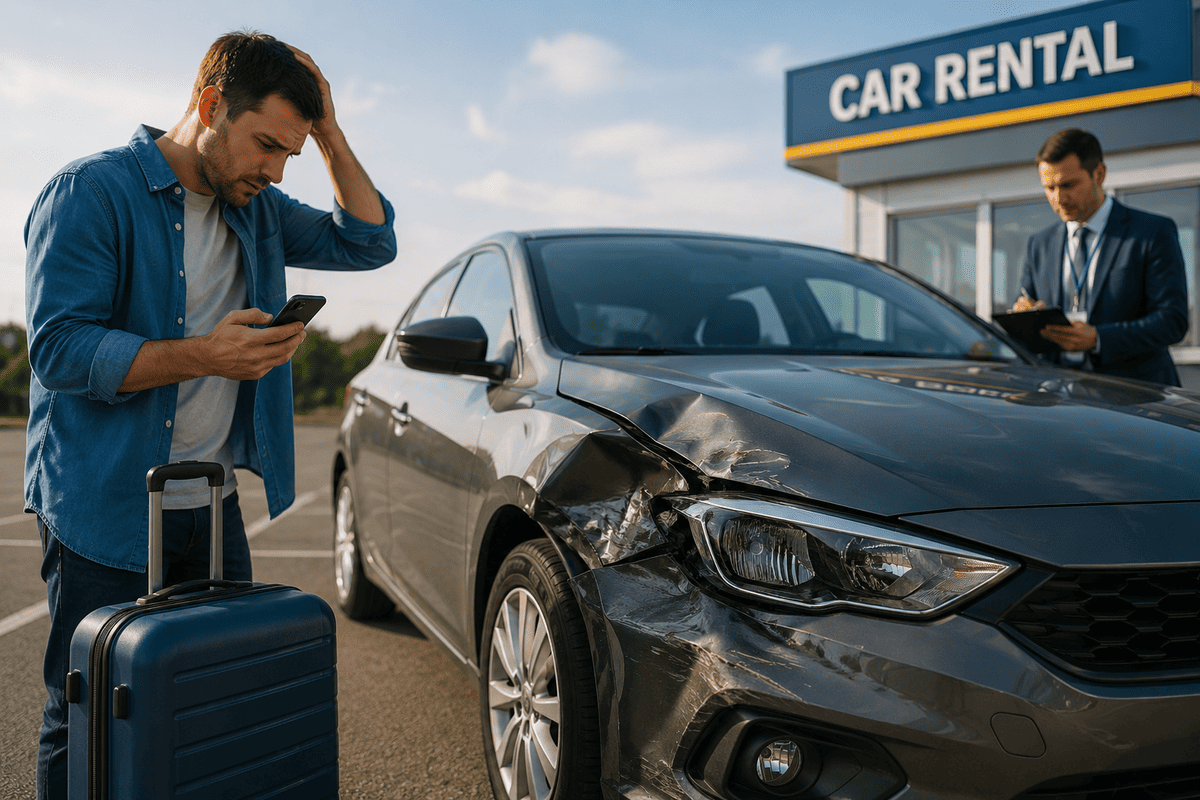
 Car Rent
Before renting a vehicle, it’s essential to know what happens if rental car is damaged and who becomes responsible for the repair costs. The outcome usually depends on the type of damage, your insurance coverage, and the rental company’s policies. Minor scratches may result in small fees, while major accidents can involve insurance claims and additional charges. Some renters are fully protected through rental insurance or credit card coverage, while others may have to pay out of pocket. Understanding these details beforehand can help you avoid confusion and unexpected expenses during your trip.
What Happens if Rental Car Is Damaged?
Dealing with a damaged rental car can be stressful, especially if you are unsure about your financial and legal responsibilities. Whether it’s a minor scratch or a serious accident in rental car, understanding the rental company’s policies, insurance coverage, and the correct steps to follow can help you avoid unexpected costs and complications.
- Rental car companies follow strict car rental damage policy procedures.
- The renter may be responsible for repair costs if found liable for the damage.
- Minor damage such as scratches may result in small repair fees.
- Serious accidents can lead to large claims or insurance involvement.
- Insurance coverage depends on your rental agreement and personal policy.
- Some credit cards provide rental car insurance protection as a benefit.
- Damage caused by storms, vandalism, or unforeseen events may be handled differently.
- Optional damage waivers can reduce out-of-pocket expenses.
- Immediate reporting and proper documentation are essential after damage occurs.
- Taking photos and collecting evidence can help avoid unfair charges.
- Failure to report damage quickly may increase financial liability.
- Reviewing rental terms before signing can prevent costly surprises later.
- Comparing rental company policies and insurance options helps reduce financial risk.
Common Types of Rental Car Damage
Not all damage to a rental car is created equal, and the way it’s handled depends on its nature and severity. Rental companies categorize damage into distinct types to determine liability and repair costs. Recognizing these categories can help you anticipate potential charges and take proactive steps to avoid them. For example, a car rental damage policy often distinguishes between “collision damage” and “non-collision damage,” each with different financial implications. Below are the most common types of rental car damage and how they’re typically addressed:
Physical Damage Categories
Exterior damage
- Scratches or dents from parking lots, shopping carts, or other vehicles.
- Broken windows or mirrors, often caused by debris or vandalism.
- Paint transfer from another car during a minor fender-bender.
Interior damage
- Torn seats or upholstery from improper use or spills.
- Broken dashboard components or missing center console pieces.
- Stains or odors that exceed normal wear and tear expectations.
Mechanical damage
- Flat tires or punctures from driving over sharp objects.
- Engine or transmission issues that arise during your rental period.
- Damage to the exhaust system or undercarriage from rough roads.
Tire and wheel damage
- Curb rash or sidewalls damaged from poor parking.
- Lost or stolen wheels, which can incur significant replacement fees.
- Uneven tire wear that exceeds the rental company’s acceptable limits.
Damage by Cause
Accidental damage
- Caused by the renter’s mistake, such as backing into a pole or misjudging a turn.
- Often results in a deductible or full repair cost unless covered by insurance.
Theft or vandalism
- If the car is stolen or deliberately damaged by a third party, the rental company’s insurance may cover it.
- A police report is usually required to validate the claim.
Natural disasters
- Damage from hail, floods, or storms may be covered under the rental company’s comprehensive policy.
- Documentation with photos and a report is essential for claims.
Pre-existing conditions
- Damage that was present before you rented the car, which should be noted in the rental agreement.
- Failure to document pre-existing damage can lead to false liability claims.
Steps to Take After Damaging a Rental Car
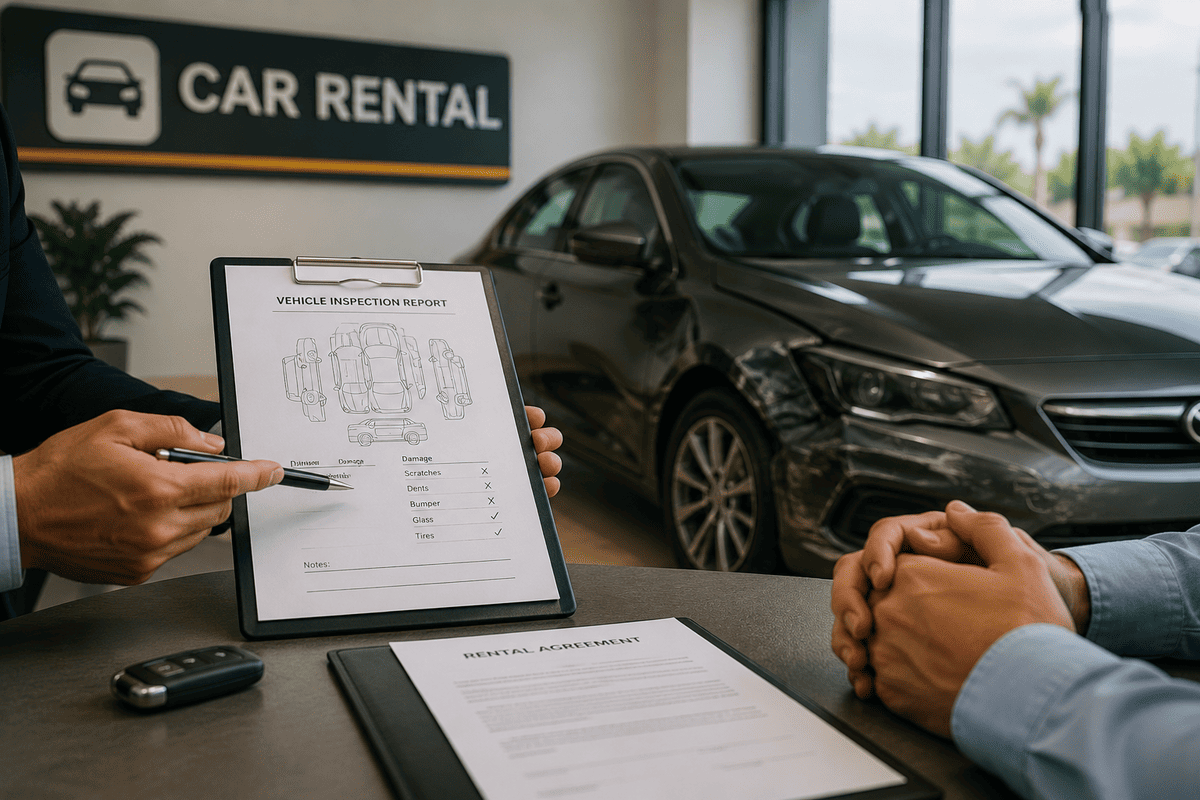
If you find yourself in a situation where a rental car is damaged, panic is the worst reaction. Instead, follow a structured approach to minimize your liability and protect yourself financially. The steps you take immediately after the damage occurs can significantly impact whether you’re held responsible or not. For instance, failing to report an accident in rental car promptly can void your insurance coverage, leaving you on the hook for thousands in repairs. Below is a step-by-step guide to ensure you handle the situation correctly:
Immediate Actions to Take
- Stop the vehicle safely: If the damage occurred due to an accident, pull over to a secure location to avoid further harm.
- Assess injuries: Check yourself and any passengers for injuries. Call emergency services if needed.
- Document the scene: Take photos of the damage, the surrounding area, and any visible injuries or hazards.
- Exchange information: If another vehicle is involved, get the driver’s name, contact details, and insurance information.
Reporting the Damage
Notify the rental company immediately
- Call their 24/7 roadside assistance number to report the incident.
- Provide details about the damage, location, and any other vehicles involved.
File a police report (if necessary)
- For accidents or theft, a police report strengthens your claim and may be required by the rental company.
- Keep a copy of the report for your records.
Request an inspection
- Ask the rental company to inspect the car and document the damage with photos or a video.
- If they refuse, take your own detailed photos and notes.
When to Contact the Rental Company?
Knowing when to contact the rental company after damaging a rental car is critical to protecting your financial and legal interests. Timing can make the difference between a resolved claim and a costly dispute. For example, if you wait days to report an accident in rental car, the rental company may argue that the damage was pre-existing or that you failed to mitigate their losses. Conversely, prompt reporting demonstrates good faith and strengthens your position. Below are scenarios where you should contact the rental company immediately, as well as guidelines for how to proceed in each case.
Critical Scenarios Requiring Immediate Contact
- Accidents involving other vehicles or property
- Even if the damage seems minor, notify the rental company to avoid liability disputes.
- Failure to report can result in the company charging you for the full repair cost.
- Theft or vandalism
- Report the incident right away to trigger the rental company’s theft/vandalism coverage.
- Provide the police report number if you’ve already filed one.
- Mechanical failures leading to damage
- If the car breaks down and causes damage (e.g., a flat tire leading to a collision), inform the company immediately.
- Some policies exclude coverage for damage resulting from negligence or misuse.
- Discovered damage after returning the car
- If you notice damage later, contact the rental company within their specified timeframe (often 24–48 hours).
- Submit photos and your inspection report to dispute the claim.
What to Do If the Rental Company Ignores Your Report?
- Escalate to a supervisor
- Ask to speak with the rental company’s customer service manager or regional office.
- Provide them with your report, photos, and any supporting documentation.
- File a complaint with consumer protection agencies
- Organizations like the Better Business Bureau (BBB) or your state’s attorney general can intervene.
- Submit a detailed complaint with evidence of the company’s negligence.
- Dispute the charge on your payment method
- If the company bills you without resolution, contact your bank or credit card issuer to dispute the charge.
- Cite the lack of proper investigation or evidence as grounds for the dispute.
Does Personal Auto Insurance Cover Rental Cars?
One of the most common questions renters have is whether their personal auto insurance extends to rental cars. The answer isn’t always straightforward, as coverage depends on your policy type, the rental company’s rules, and the circumstances of the damage. Many drivers assume their existing auto insurance will automatically cover a rental, but this isn’t guaranteed. For instance, if you’re involved in an accident in rental car, your personal policy might only cover the rental as a secondary option after the rental company’s insurance is exhausted. Below, we break down how personal auto insurance typically interacts with rental cars and what you need to know to avoid gaps in coverage.
How Personal Auto Insurance Applies to Rentals
Comprehensive and collision coverage
- These usually extend to rental cars, but the rental company’s insurance is often primary.
- You may still be responsible for deductibles or excess fees.
Liability coverage
- Protects you if you cause damage to another vehicle or property in a rental car.
- Limits may be lower than your primary policy, so check your state’s minimum requirements.
Medical payments or personal injury protection (PIP)
- Covers injuries to you or your passengers in a rental car accident.
- Verify if your policy includes rental cars under these sections.
Uninsured/underinsured motorist coverage
- Applies if the at-fault driver in a rental car accident has insufficient insurance.
- Confirm whether your policy covers rentals for this type of claim.
Key Considerations for Rental Car Coverage
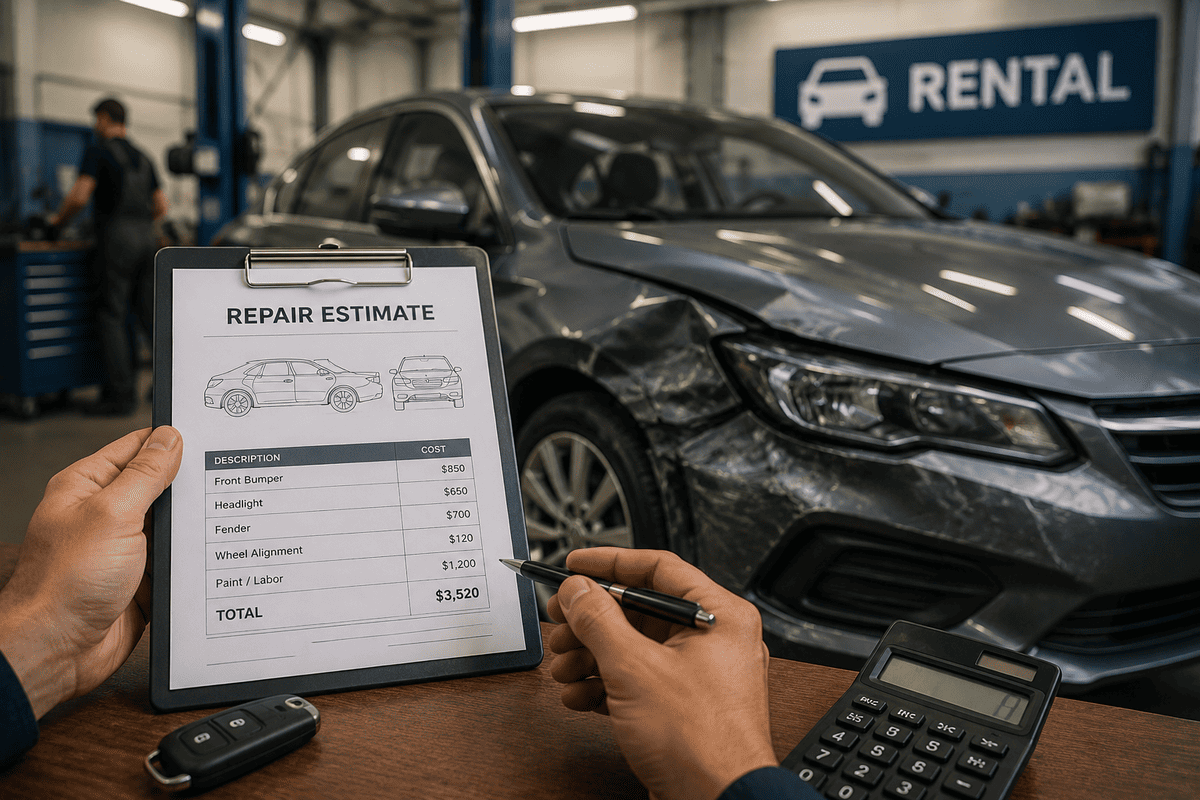
Understanding the key considerations for rental car coverage can help you avoid unnecessary expenses and ensure you are fully protected during your trip. From insurance policies to liability limits and damage waivers, knowing what is included in your coverage allows you to make informed decisions and reduce financial risks while renting a vehicle.
Check your policy’s rental car clause
- Some insurers explicitly state whether rentals are covered, while others require an endorsement.
- Example: “Coverage applies to rental cars used as a temporary replacement for your insured vehicle.”
Confirm the rental company’s insurance requirements
- Many rental agreements mandate you decline their collision damage waiver (CDW) if you have personal insurance.
- Failing to do so could leave you without coverage if the rental company’s policy conflicts with yours.
Understand deductibles and out-of-pocket costs
- Your personal insurance may cover the rental car, but you’ll still pay your policy’s deductible.
- Some rental companies charge additional fees (e.g., administrative costs) even if your insurance pays for repairs.
Review your state’s financial responsibility laws
- Some states require proof of insurance for rental cars, even if you have personal coverage.
- Violating these laws can result in fines or legal penalties.
How to Ensure Full Coverage for Rental Cars?
Ensuring full coverage for rental cars is essential to protect yourself from unexpected repair costs, accidents, and liability claims during your trip. By understanding your insurance options, rental policies, and additional coverage benefits, you can drive with confidence and avoid costly financial surprises if damage or accidents occur.
Call your insurer before renting
- Ask if your policy covers rental cars and what steps you need to take (e.g., providing the rental agreement number).
- Compare the rental company’s CDW with your insurance
- Use tools like skydealfinder to compare costs and coverage options.
- Declining CDW may save you money if your personal insurance is sufficient.
Consider supplemental rental insurance
- Some insurers offer short-term rental policies for additional protection.
- Credit card rental insurance (discussed in the next section) can also fill coverage gaps.
Document everything
- Keep records of your insurance policy details, rental agreement, and any communication with the rental company.
- This ensures you can prove coverage if a dispute arises.
Start your journey today and discover unbeatable flight deals  Book your ticket from here
FAQS
What happens if damage is discovered after returning the car?
If damage is discovered after the car is returned, the rental company may contact you with repair charges or claims. Having photos and inspection records can help protect you from unfair liability.
Is a police report required for rental car accidents?
A police report is usually required for major accidents, theft, or damage involving other vehicles. It helps support insurance claims and protects both the renter and the rental company.
How can renters avoid paying high damage fees?
Renters can avoid high damage fees by inspecting the car before pickup, taking photos, driving carefully, and choosing proper insurance or rental protection coverage.


Comments are closed