
 Book Tour
Is June a good month to visit Southeast Asia? The answer depends on your priorities—whether you prioritize fewer crowds, lush landscapes, and cultural immersion over perfect weather. While June marks the start of the rainy season in many destinations, it also offers lower prices, fewer tourists, and unique festivals that make it an ideal time for adventurous travelers. With smart planning, you can experience Southeast Asia’s hidden gems without the peak-season chaos. Whether you’re exploring Vietnam’s central coast, Thailand’s temples, or Bali’s hidden spots, June can deliver an unforgettable adventure if you know how to navigate the weather and crowds.
Is June a Good Time to Visit Southeast Asia?
Deciding whether June is the right time for your Southeast Asia trip requires balancing weather, crowds, and your travel style. Unlike the dry season (November–April), June brings shorter but intense rain showers, higher humidity, and occasional storms—especially in the afternoons. However, these conditions also mean fewer tourists, lower prices, and the chance to witness vibrant local festivals. For budget-conscious travelers or those seeking authentic experiences, June can be a fantastic choice. The key is selecting destinations where rain doesn’t disrupt your plans and packing smartly to stay comfortable.
What are the weather conditions like in June?
June signals the transition from the dry season to the monsoon, with temperatures ranging between 28°C and 32°C across most of Southeast Asia. Rainfall varies by region: coastal areas like Phuket and Bali experience brief but heavy downpours, while inland cities such as Chiang Mai or Siem Reap see lighter, more sporadic rain. Humidity can feel oppressive, making midday outdoor activities less enjoyable. However, mornings and evenings often remain pleasant, perfect for exploring markets, temples, or scenic viewpoints. The trade-off? Lush greenery and fewer crowds, which can make your trip feel more immersive.
How do crowds compare to peak seasons?
One of June’s biggest advantages is the absence of peak-season crowds. Popular destinations like Angkor Wat in Cambodia or the beaches of Krabi see a significant drop in visitors, allowing you to enjoy iconic sites without long lines. Domestic tourism also slows down, meaning better access to attractions, more personalized service, and easier negotiations with vendors. However, some festivals (like Thailand’s Phi Ta Khon) draw local crowds, so timing your visits carefully can help you avoid overcrowding while still experiencing the culture.
Best Places to Visit in Southeast Asia in June
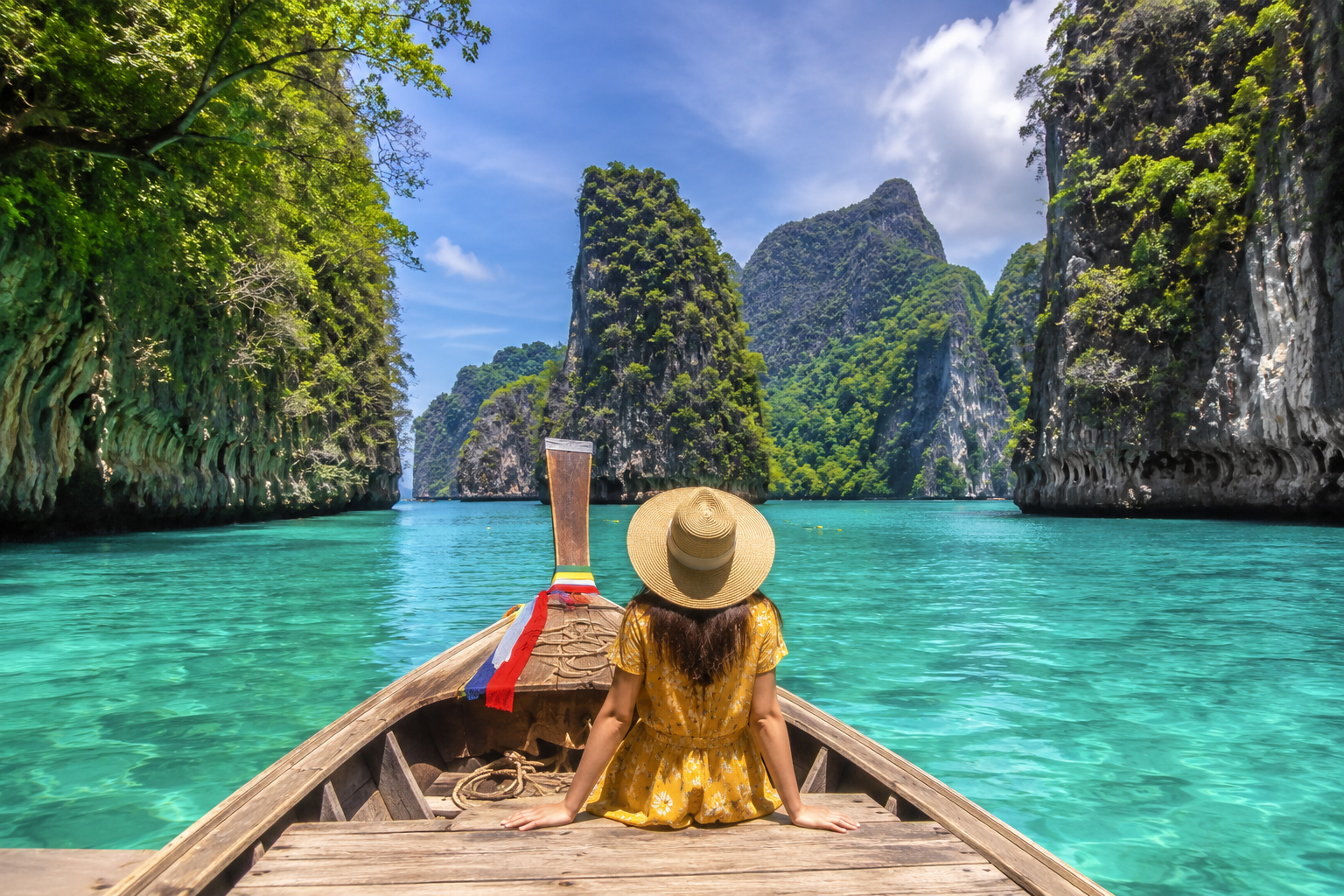
Vietnam offers a mix of experiences in June, with the north experiencing heavy rain while the central and southern regions have more manageable weather. Nha Trang’s beaches remain swimmable, though sea conditions can be choppy. Da Nang’s golden dunes and marble mountains provide stunning photo opportunities, while Hoi An’s lantern-lit streets come alive with fewer tourists. The key is planning outdoor activities for mornings and packing a lightweight rain jacket.
1. Nha Trang: Visit Vinpearl Land amusement park or take a boat to Hon Mun Marine Park for snorkeling.
2. Da Nang: Explore My Khe Beach’s sand dunes or hike the Marble Mountains for panoramic views.
3. Hoi An: Stroll through the ancient town at night, try local street food, and shop for tailor-made clothing.
4. Central Vietnam’s highlands: Consider Da Lat for cooler weather, coffee plantations, and waterfalls.
Thailand: Phuket, Chiang Mai, and Krabi
Thailand’s June weather varies, with Phuket and Krabi experiencing heavy downpours that can disrupt beach plans. However, Chiang Mai’s cooler temperatures and lush landscapes make it a standout choice. The city’s temples, night markets, and nearby waterfalls are stunning in the rain. For beach lovers, focus on the Andaman Coast’s east-facing islands, which tend to have calmer seas.
1. Chiang Mai: Visit Doi Suthep temple, explore the night bazaar, and take a day trip to Chiang Rai’s hot springs.
2. Krabi’s islands: Head to quieter islands like Koh Lanta or Koh Yao Noi for minimal crowds and breathtaking scenery.
3. Phuket’s cultural side: Skip the beaches and explore Phang Nga Bay’s limestone caves or the old town’s colorful streets.
4. Northern Thailand’s waterfalls: June is ideal for visiting waterfalls like Erawan or Bua Tong due to increased water flow.
Indonesia: Bali’s hidden spots and Komodo Island
Bali’s rainy season peaks in June, but the island’s interior and east coast offer respite from heavy downpours. Ubud’s rice terraces and sacred monkey forest are magical in the rain, while east coast beaches like Padang Bai are less crowded. Komodo Island, with its dry savannahs and marine life, is an excellent alternative to Bali’s rain-soaked beaches.
1. Ubud: Visit Tirta Empul temple, hike to Tegalalang rice terraces, and explore local coffee plantations.
2. East Bali: Discover hidden beaches like Balian Beach or take a day trip to Nusa Penida islands.
3. Komodo National Park: Snorkel with manta rays, hike to Pink Beach, and spot Komodo dragons.
4. Mount Batur sunrise trek: A rewarding early-morning hike with fewer crowds and stunning views.
Cambodia: Phnom Penh and Siem Reap’s cultural highlights
Cambodia’s June weather is hot and humid, but the rain is less intense than in neighboring countries. Siem Reap’s Angkor Wat complex is less crowded, making it easier to explore the temples at sunrise. Phnom Penh’s museums and markets are also more enjoyable in the cooler mornings.
1. Angkor Wat: Visit at sunrise and spend the day exploring Bayon and Ta Prohm with minimal crowds.
2. Siem Reap’s floating villages: Take a boat tour to Tonlé Sap Lake to see rural life up close.
3. Phnom Penh’s Royal Palace: Explore the intricate architecture and learn about Cambodia’s history.
4. Battambang’s bamboo train: A unique way to experience rural Cambodia without relying on heavy rain.
Malaysia: Langkawi’s beaches and Penang’s food scene
Malaysia’s June weather is variable, with Langkawi’s beaches often experiencing afternoon showers. However, the island’s waterfalls, like Kilim Geopark, are spectacular in the rain. Penang’s food scene thrives year-round, and the cooler evenings are perfect for exploring George Town’s street art and night markets.
1. Langkawi’s Kilim Geopark: Hike through lush forests and visit Seven Wells Waterfall.
2. Penang’s street food: Try char kway teow, laksa, and durian at local hawker stalls.
3. Cameron Highlands: A cooler escape with tea plantations, strawberry farms, and misty mountain views.
4. Batu Ferringhi Beach: Less crowded, with resorts offering great indoor activities.
June Festivals and Events in Southeast Asia
Da Nang International Fireworks Festival (Vietnam)
Held annually in June, this festival transforms Da Nang into a dazzling spectacle of light, music, and culture. The centerpiece is a week-long fireworks competition featuring displays from around the world, set against My Khe Beach. Beyond the fireworks, the festival includes street performances, food stalls, and a vibrant atmosphere that captures Vietnamese hospitality.
1. Watch the fireworks competition at My Khe Beach, showcasing international pyrotechnic skills.
2. Explore the festival’s cultural village, offering traditional games, crafts, and performances.
3. Enjoy local street food like bánh xèo and mì Quảng, which are festival specialties.
4. Attend the closing ceremony, featuring a grand finale with synchronized fireworks and music.
Phi Ta Khon Festival (Thailand)
This colorful festival in Dan Khun Thot, near Udon Thani, is one of Thailand’s most unique celebrations. Participants don elaborate costumes, paint their faces, and dance through the streets in a wild, joyful procession. The festival’s energy is infectious and offers a rare chance to experience Thailand’s folk traditions.
1. Witness masked dancers and performers parading through the streets with drumming and chanting.
2. Try the festival’s signature dish, khao tom mat, a spicy rice soup served in bamboo tubes.
3. Visit local markets to buy handmade crafts and souvenirs.
4. Join in the dancing if you’re feeling adventurous—locals are always welcoming to visitors.
Galungan in Bali (Indonesia)
Galungan is Bali’s most important Hindu festival, marking the victory of good over evil. The island comes alive with decorations of penjor (bamboo poles) and effigies of evil spirits, which are burned in a grand ceremony. The atmosphere is festive, with traditional music, offerings, and family gatherings.
1. Admire the penjor decorations lining the streets of Ubud and other towns.
2. Attend the Melasti ceremony, where Balinese Hindus perform purification rituals at the beach.
3. Watch the Ogoh-Ogoh parade, where giant effigies of evil spirits are burned in a dramatic finale.
4. Enjoy a Balinese feast featuring dishes like babi guling and lawar.
Practical Travel Tips for June Visits
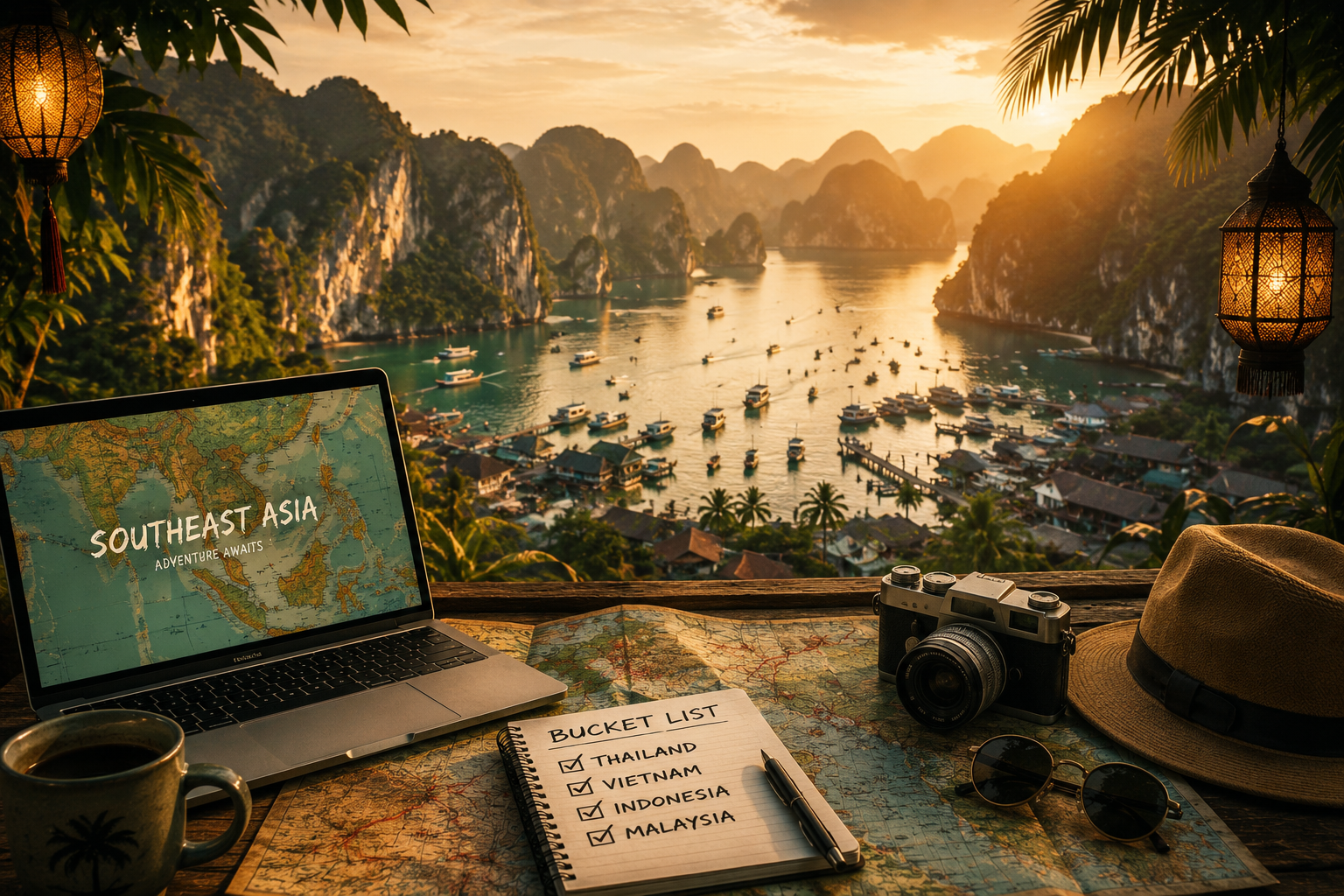
What to pack for Southeast Asia in June
Packing for June requires balancing rain gear and breathable fabrics. Humidity can be overwhelming, so lightweight, moisture-wicking clothing is essential. Don’t forget a compact umbrella or rain poncho—afternoon showers can be sudden. Waterproof footwear is crucial for exploring cities like Bangkok or Hanoi, where streets can flood.
1. Quick-dry clothing: Pack shorts, T-shirts, and lightweight long-sleeve shirts to protect against sun and rain.
2. Waterproof accessories: Bring a foldable umbrella, rain jacket, and waterproof phone pouch.
3. Comfortable walking shoes: Choose breathable sandals or sneakers with good grip for wet surfaces.
4. Swimwear and quick-dry towel: Be ready for unexpected sunny spells.
How to avoid rain during outdoor activities
Rain in Southeast Asia often follows a pattern: short, intense downpours in the afternoon, with clearer mornings and evenings. Plan outdoor activities like temple visits or hiking for early hours. Many attractions offer indoor spaces or nearby cafes for shelter. Apps like Windy or AccuWeather can help track real-time rain forecasts.
1. Start your day early: Visit major attractions like Angkor Wat before 10 AM.
2. Use weather apps: Download Raindar or Windy for hyper-local rain predictions.
3. Carry a portable charger: Rain can drain your phone battery quickly.
4. Know your escape routes: Identify nearby cafes or indoor attractions for shelter.
Best ways to navigate crowded destinations
While June brings fewer crowds, some destinations can still get busy during festivals or weekends. Book accommodations and popular tours in advance. Local guides can help you avoid crowds by taking you to lesser-known spots or visiting attractions during off-peak hours.
1. Book accommodations early: June is popular for festivals, so secure your stay in advance.
2. Use local transport: Taxis or ride-hailing apps are often more reliable during rain.
3. Visit major sites early: Arrive at sunrise to beat crowds at places like Angkor Wat.
4. Ask locals for hidden gems: Markets and small temples are often less crowded.
Safety and Solo Travel Considerations
Is Southeast Asia safe for solo travelers in June?
Southeast Asia is generally safe for solo travelers, but June’s rainy season can present challenges like flooding or power outages. Solo female travelers should take extra precautions, such as avoiding isolated areas at night and dressing modestly. Petty theft is the most common risk, so keep valuables secure.
1. Stay in well-reviewed accommodations with good security and positive reviews.
2. Avoid walking alone at night: Use taxis or ride-hailing apps after dark.
3. Keep a low profile: Avoid flashing expensive items in crowded areas.
4. Register with your embassy: Stay informed about local conditions.
How to stay healthy in humid conditions?
Humidity and heat can drain your energy, so staying hydrated and protecting yourself from the sun is crucial. Drink bottled or filtered water to avoid stomach issues, and carry electrolyte tablets. Wear sunscreen daily and take breaks in shaded or air-conditioned spaces.
1. Drink plenty of water: Aim for at least 2 liters a day and avoid ice from street vendors.
2. Use sunscreen and a hat: Humidity can worsen sunburn, so protect your skin with SPF 30+.
3. Take breaks: Rest in air-conditioned cafes or your hotel to avoid heat exhaustion.
4. Pack a small first-aid kit: Include antiseptic wipes, band-aids, and personal medications.
Essential precautions for beach and jungle trips
Beaches and jungles in June can be both beautiful and hazardous. Rip currents, slippery trails, and leeches are real concerns. Always check local advisories for beach conditions and wear appropriate footwear for jungle hikes. If snorkeling or diving, ensure you’re with a reputable operator.
1. Check beach conditions: Avoid swimming after heavy rain due to pollution or strong currents.
2. Wear closed-toe shoes for hikes: Jungle trails can be muddy and slippery.
3. Use insect repellent: Mosquitoes and leeches are more active in the rain.
4. Travel with a buddy: Never explore remote areas alone—safety in numbers is key.
Start your journey today and discover unbeatable flight deals  Book your ticket from here
FAQs
Does it rain a lot in Southeast Asia in June?
June is part of the rainy season, but rainfall varies by region. Coastal areas like Phuket or Bali may see daily afternoon showers, while inland cities like Chiang Mai or Siem Reap have lighter, sporadic rain. Mornings and evenings are usually dry, so planning activities accordingly can minimize disruptions. Pack a compact umbrella and waterproof bag to stay prepared.
Which Southeast Asian countries have the best weather in June?
For the best weather in June, consider northern Thailand, Laos, or Vietnam’s central highlands. Chiang Mai and Luang Prabang offer pleasant temperatures and fewer downpours, while Da Lat in Vietnam provides a cooler climate with stunning waterfalls. Malaysia’s Cameron Highlands is another great option with its misty mountains and comfortable weather.
Are beaches in Southeast Asia good for swimming in June?
Beaches in June can be unpredictable due to rain and rough seas. The Andaman Coast in Thailand and Vietnam’s central coast are more reliable than Bali or Phuket, where afternoon storms can make swimming risky. If you’re determined to hit the beach, choose east-facing islands like Koh Samui or Langkawi, which tend to have calmer waters.
Is it safe to travel solo in Southeast Asia in June?
Yes, but with extra precautions. Solo travelers should avoid isolated areas at night, dress modestly in conservative regions, and keep valuables secure. June’s rainy season can also bring flooding or power outages, so monitor local news and have a backup plan. Women traveling alone may want to research local customs and stay in well-reviewed accommodations.
What should I pack for Southeast Asia in June?
Pack lightweight, breathable clothing, a compact umbrella or rain poncho, and waterproof footwear. Don’t forget sunscreen, a hat, and a reusable water bottle. A portable charger is essential for tracking rain forecasts. For jungle or beach trips, add insect repellent, closed-toe shoes, and a quick-dry towel.


Comments are closed